Why Upgrading to a Next-Gen Urodynamic System Benefits Your Practice
For urology practices aiming to deliver the highest level of care, upgrading to a next-generation urodynamic system offers significant advantages. With urinary incontinence and other lower urinary tract symptoms (LUTS) growing more common in aging populations, these technological advances enable clinicians to meet rising diagnostic demand. Next-gen urodynamics systems leverage advanced sensors and digital data acquisition to yield more precise and patient-friendly assessments.
For urologists, hospital administrators, and diagnostic clinics alike, investing in cutting-edge urodynamic equipment is not merely an upgrade; it’s a commitment to excellence in patient care. A state-of-the-art urodynamic system provides the foundation for accurate diagnosis, effective pelvic floor muscle rehabilitation plans, and streamlined workflow. As demands on clinical resources grow, ensuring your practice is equipped with the latest urodynamic measurement technology has never been more vital.
Core Features of Next-Gen Urodynamic System
Next-generation urodynamic systems offer a range of advanced features that traditional machines lack. Key capabilities include:
Comprehensive Testing in One System: Modern devices perform uroflowmetry, cystometry testing, pressure-flow studies, urethral pressure profiling (UPP), and EMG evaluations all in one system. They may even support video urodynamics and anorectal manometry. This all-in-one design ensures that bladder pressure monitoring, flow measurements, and pelvic floor assessments occur together, improving diagnostic accuracy.
High-Resolution Sensors and Real-Time Data: These systems utilize high-sampling-rate transducers and software-controlled infusion pumps to capture precise bladder pressure monitoring data. High-sensitivity pressure channels and automatic calibration mean clinicians can trust that even small pressure changes are recorded.
Wireless EMG & Biofeedback: Cutting-edge machines include wireless electromyography (EMG) for pelvic floor muscles and built-in biofeedback games. For instance, software can display animated biofeedback exercises that patients perform during testing, actively training the pelvic floor. This feature turns a diagnostic session into an opportunity for pelvic floor muscle rehabilitation, as patients learn to engage muscles while receiving real-time visual feedback.
Automatic Leak Detection: Some next-gen systems attach a leak detector to the urethral meatus. The detector senses even small drops of urine and automatically marks leakage events in the record. This improves test accuracy (by capturing incontinence episodes) without using cameras or interrupting the procedure.
ICS-Standard Software and Nomograms: Software in modern urodynamics machines embeds standardized nomograms and terminology defined by the International Continence Society. In practice, this means the generated report conforms to ICS-standard urodynamics protocols. The device’s report will list bladder pressures, flows, and EMG data using ICS’s definitions, making it easy to compare results across clinics.
Connectivity and Data Management: Next-gen systems often integrate with hospital IT. They provide DICOM and HL7 interfaces, allowing urodynamic images and results to feed directly into electronic medical records. Specifications even call for software that can connect to the hospital information system and DICOM work-lists. Real-time data backup, searchable patient databases, and customizable templates further streamline workflow. In sum, the system not only collects data but manages it, from pre-setting graphs and calibrations to automated report generation.
Ergonomic, Modular Design: The latest urodynamics machines are built on adjustable trolleys or urodynamic chairs, making it easy to test patients in both seated and standing positions. They include built-in infusion pumps and integrated consoles to reduce clutter. In practice, this means clinicians can perform tests comfortably, and the hardware is easy to maintain and upgrade. Many systems are modular, allowing hospitals to start with a basic package (e.g., uroflowmetry, cystometry, pressure-flow) and later add modules for UPP, biofeedback, or video.
Collectively, these features make a next-gen urodynamic system far more capable than older analog devices. Clinics can perform full ICS-standard urodynamic testing (including uroflowmetry and post-void residual, filling cystometry, and pressure-flow studies) in one seamless session.
Benefits of Upgrading the Urodynamic Measurement System
Upgrading to advanced urodynamic equipment delivers multiple benefits to a practice:
Improved Diagnostic Accuracy: High-fidelity sensors and integrated multi-channel recording reduce artifacts and measurement errors. Advanced leak detection and EMG filtering ensure that recorded pressures and flows truly reflect patient physiology. As a result, urologists get clearer insights into bladder contractility and outlet obstruction. With more precise data, clinicians can tailor treatments more confidently.
Standardized, Compliant Reporting: Using an ICS-standard urodynamics protocol means test results are directly comparable to international reference values and research studies. An ICS-compliant system generates reports with standardized terminology and nomograms, reducing confusion. This consistency is crucial when collaborating with specialists or following published guidelines. It also helps meet accreditation standards; many hospitals require diagnostics to follow recognized protocols.
Greater Efficiency and Throughput: Modern software features (such as patient search, templating, and automatic calibration) significantly cut down test time. Technicians spend less time on manual settings and more on interacting with patients. The modern urodynamic system offers automatic data recovery and backup, so staff don’t lose progress if they forget to save mid-test. Overall, clinics can handle more patients per day and reduce repeat visits.
Enhanced Patient Experience: Ergonomic hardware and wireless sensors make urodynamics testing more comfortable. Patients avoid heavy tethered cables; some systems use handheld urine collection devices and quieter infusion pumps. Shorter test times and gentle biofeedback exercises also put patients at ease. Better comfort often means better cooperation and more reliable results. Clinics that offer the latest technology are also seen as more patient-centric, improving satisfaction and referral rates.
Versatility and Future-Proofing: A modular design lets a practice expand its capabilities over time. Starting with basic cystometry and uroflowmetry, a clinic can later add video urodynamics, pelvic-floor biofeedback modules, or leak-point testing as needed. This avoids expensive forklift upgrades. Practices can thus tailor the system to their specialty and ensure the investment stays relevant for years.
Support for Pelvic Floor Rehabilitation: Perhaps surprisingly, modern urodynamic systems directly aid therapy. Integrated biofeedback modules turn bladder testing sessions into rehabilitative exercises. Clinicians can train patients on pelvic floor muscle coordination by showing real-time EMG feedback during voiding. This means that simply by upgrading the diagnostic system, a practice gains valuable tools to support pelvic floor muscle rehabilitation and incontinence therapy.
In short, upgrading to next-gen urodynamic equipment boosts both the quality and efficiency of care. It enables more comprehensive evaluations (from bladder pressure monitoring to video analysis) with fewer manual steps. These operational gains translate into better outcomes and a stronger reputation for your practice.
Meeting ICS Standards and International Guidelines
Modern urodynamic machines are designed to meet international standards. The International Continence Society (ICS) defines the terminology and protocols for urodynamic testing. A next-gen system typically implements the ICS Standard Urodynamic Protocol (ICS-SUP), meaning it automatically follows the recommended steps.
Compliance with ICS standards has several advantages. First, it ensures that everyone uses the same definitions and nomograms. Second, ICS-standard reports are recognized by international journals and reference databases, easing collaboration and benchmarking. Upgraded systems that include the latest ICS nomograms and scoring keep your practice aligned with evolving scientific guidance.
Moreover, many national urology societies expect equipment to meet recognized guidelines. By investing in an ICS-standard device, clinics demonstrate commitment to quality. It also simplifies training: urologists and nurses learn one universal protocol instead of adapting to outdated local methods.
NG UROCOMP-2000: A Next-Gen Urodynamic System
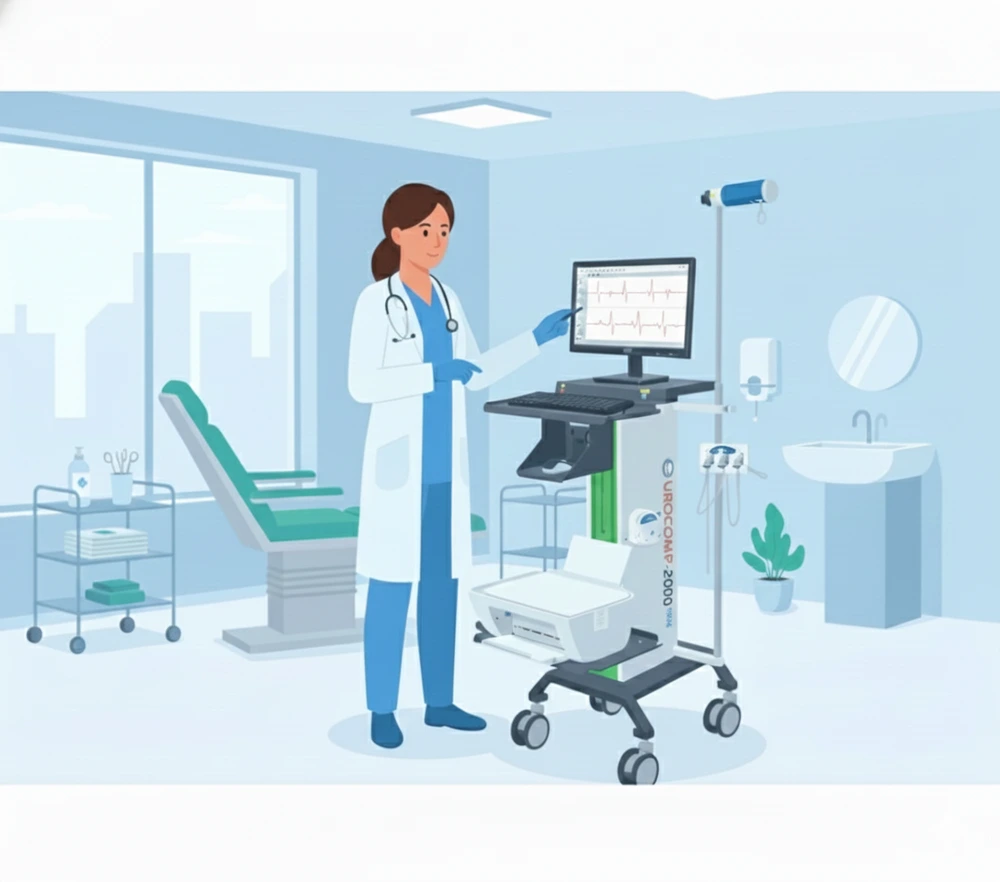
NG UROCOMP-2000 embodies many benefits of a modern urodynamic measurement system. It is described as an advanced urodynamic measurement system featuring real-time data display, customizable test protocols, and comprehensive patient management. The UROCOMP-2000’s modular design with five upgradeable models means practices can add capabilities as needed. Its Windows‑based software is ICS-compliant, providing built-in standard nomograms, intuitive calibration tools, and robust patient data storage to meet international urodynamic testing standards.
- Modular, upgradable design: Five different configurations can be combined to scale from basic uroflowmetry and cystometry up to full video urodynamics and anorectal manometry. This flexibility lets clinics expand their urodynamic capabilities over time.
- ICS-compliant software: The Urocomp-S software runs on Windows 10 and includes all standard ICS nomograms, automated sensor/pump calibration, and easy patient data retrieval. This streamlines test protocols and reporting in line with international best practices.
- High sampling rates: The system captures pressure and flow data at high frequencies for greater sensitivity and precision, reducing artifacts and improving the detection of events like detrusor contractions.
- Multi-channel pressure monitoring: UROCOMP-2000 supports simultaneous recording of bladder, abdominal, and urethral pressures along with EMG signals. It even provides four configurable pressure channels for anorectal manometry. These multi-channel inputs enable a comprehensive assessment of bladder function and pelvic floor coordination.
- Integrated biofeedback tools: Built-in EMG feedback and animated therapy modes help patients perform pelvic floor muscle exercises during testing. These biofeedback features aid pelvic floor rehabilitation by engaging patients with real-time visual guidance.
In practice, the NG UROCOMP-2000 shows how advanced urodynamic equipment can meet today’s clinical and operational needs. Its cutting‑edge design and feature set, from modular trolley mounting to ergonomic hardware, are designed to enhance the efficiency and accuracy of urodynamic testing in clinical settings.
Conclusion
Next-generation urodynamic systems deliver clear practical benefits. By combining high-fidelity pressure and flow sensors with real-time analytics, modern equipment yields more accurate diagnoses and reveals subtle bladder dysfunction. Patient-friendly designs enhance comfort and compliance. Automation of exam steps and digital reporting streamlines workflows, saving clinicians time and reducing errors.
Adopting modern urodynamic equipment is not just a technological upgrade; it strengthens clinical confidence and supports evidence-based treatment planning. From enhanced diagnostic accuracy to improved patient experience, the value of investing in innovative urodynamic devices is undeniable. It empowers urologists and diagnostic centres to stay aligned with global standards and the growing demand for comprehensive pelvic health evaluation. At Status Medical Equipments, we are committed to empowering hospitals, urology clinics, and diagnostic centres with cutting-edge solutions, including our latest urodynamic systems, high-precision uroflowmeters, and advanced urology diagnostic accessories. Every product is engineered to support accuracy, ease of use, and reliable clinical performance. If you’re ready to enhance the quality and efficiency of your urodynamic testing capabilities, contact us today. Our team will guide you to the ideal solution tailored to your facility’s workflow and growth goals.
FAQs:
A modern urodynamic device is essentially an all-in-one measurement system. It should perform uroflowmetry testing, cystometry testing, pressure-flow studies, and often urethral pressure profiling and EMG. It will typically support video urodynamics and have biofeedback modes for pelvic floor training. In short, it can conduct all standard urodynamic exams in one unit. Advanced machines also include features like wireless EMG, leak detection, and hospital-network connectivity to capture comprehensive bladder and pelvic data efficiently.
The International Continence Society (ICS) provides a globally accepted protocol for urodynamics. Equipment that is ICS-compliant uses standardized nomenclature and graphs so results are comparable across studies and centers. Following ICS standards ensures that bladder pressures and flow values are interpreted consistently. This improves the reliability of diagnoses and helps practitioners align with international guidelines.
Next-gen urodynamic systems often integrate biofeedback tools directly into the testing suite. During cystometry or voiding studies, the system can display real-time pelvic floor EMG signals in a visual format. Patients can then practice contracting or relaxing the correct muscles while watching feedback on screen.