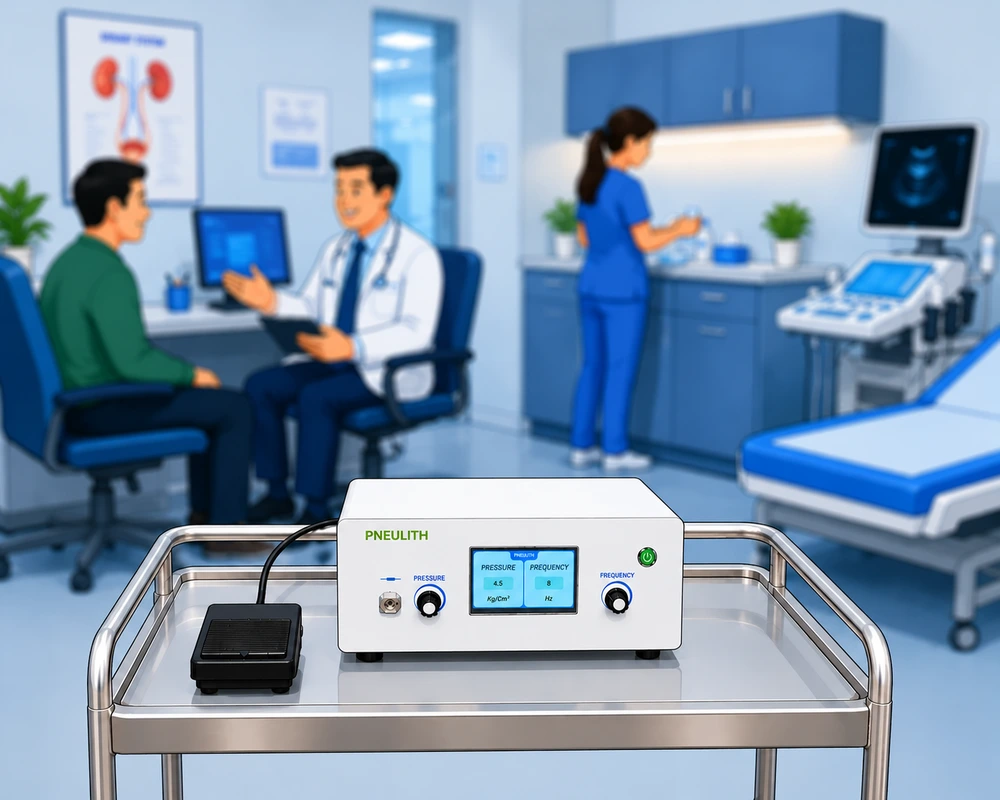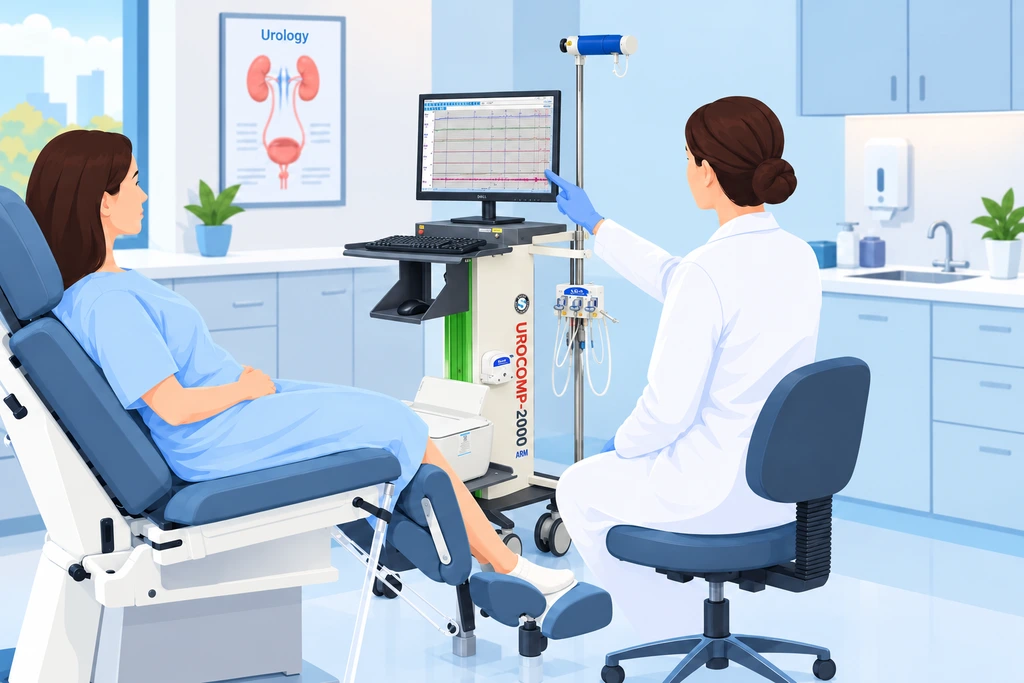
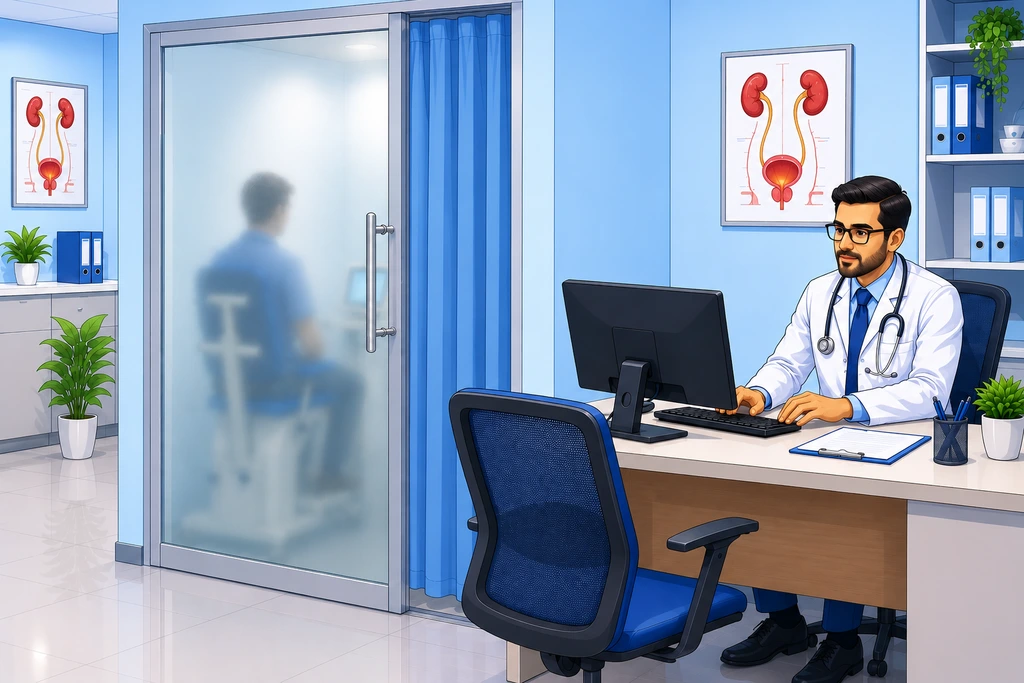
Two men arrive at a urology clinic with nearly identical complaints. Both report a weak urinary stream, frequent bathroom visits, and disrupted sleep. Based on symptoms alone, they appear to have the same condition. However, the results from Uroflowmetry tell a different story. One patient demonstrates reduced urinary flow, warranting further investigation, while the other shows relatively normal flow characteristics and may require a different diagnostic pathway.
Situations like this highlight a common challenge in male LUTS evaluation. Lower urinary tract symptoms (LUTS) can provide valuable clues, but they do not always reveal what is actually happening inside the urinary tract. Symptoms are subjective, while treatment decisions require objective evidence.
By providing measurable information about urinary performance through a simple, non-invasive procedure, uroflowmetry supports diagnostic and treatment decisions with objective data.
Why Male LUTS Remain Complex
For healthcare professionals, evaluating male LUTS is rarely straightforward. Similar symptoms can originate from very different underlying conditions, making diagnosis more challenging than many patients realise.
A patient experiencing hesitancy and weak flow may have bladder outlet obstruction. Another may present with similar symptoms yet demonstrate a different pattern of urinary dysfunction. In some cases, multiple conditions may exist simultaneously.
Common male urinary symptoms include:
- Weak urinary stream
- Increased daytime frequency
- Nocturia
- Hesitancy
- Intermittent flow
- Urgency
- Incomplete bladder emptying
While symptom-scoring systems remain valuable, they cannot fully capture urinary tract function. This creates a diagnostic gap that requires objective assessment tools capable of measuring actual voiding performance.
Functional testing plays an important role in assessing urinary tract performance alongside symptom evaluation.
How Uroflowmetry Supports Clinical Decisions
The primary role of uroflowmetry is to provide objective information about urinary flow during natural voiding. Rather than relying entirely on patient descriptions, clinicians gain access to measurable data that supports diagnosis and treatment planning. The test captures urinary flow data as the patient voids into a measurement device, with software analysing key parameters to produce clinically relevant results, highlighting its straightforward and meaningful approach.
The data generated by the test helps clinicians determine whether urinary flow is reduced, whether symptoms are supported by measurable dysfunction, whether there is evidence of obstruction, whether additional investigations are required, and whether urinary function has improved following treatment.
These insights help clinicians move beyond symptom interpretation and make decisions based on objective evidence.
In busy healthcare environments where multiple clinicians may evaluate the same patient over time, standardised measurements also improve consistency across assessments.
Urinary Flow Rate Measurement Insights
One of the key advantages of uroflowmetry is its ability to convert urinary function into measurable clinical data.
Rather than describing urinary performance in subjective terms, clinicians can evaluate specific parameters that provide a clearer understanding of lower urinary tract function.
| Parameter | Clinical Significance |
| Maximum Flow Rate (Qmax) | Indicates peak urinary flow during voiding |
| Average Flow Rate (Qavg) | Reflects overall urinary performance |
| Voided Volume | Measures total urine expelled |
| Voiding Time | Shows the duration of urination |
| Time to Peak Flow | Evaluates the speed of flow development |
| Flow Curve Pattern | Identifies abnormal voiding characteristics |
Detailed urinary flow rate measurement provides valuable insight into voiding behaviour that may not be apparent during routine consultation.
Flow curve patterns are particularly informative because they help clinicians visualise urinary performance rather than relying solely on numerical values. When combined with symptom history and physical examination findings, these measurements contribute to a more complete clinical picture.
Reliable urinary flow analysis depends on both clinical expertise and the performance of the diagnostic equipment. When selecting urology diagnostic equipment, healthcare facilities often consider measurement consistency, reporting capabilities, workflow integration, and ease of operation to support efficient LUTS evaluation.
Why Symptoms and Data Often Differ
An important aspect of LUTS management is the disconnect that can exist between symptom severity and measurable dysfunction.
A patient reporting severe symptoms may demonstrate relatively normal flow characteristics. Conversely, an individual with mild complaints may exhibit significantly reduced flow rates during testing.
This discrepancy arises because factors such as patient perception, lifestyle, bladder sensitivity, and underlying pathology can influence symptom severity.
Consider a scenario frequently encountered in urology practice. Two patients complete symptom questionnaires and receive similar scores. Without objective assessment, both may appear to require similar management strategies. However, uroflowmetry may reveal markedly different urinary flow profiles, guiding clinicians toward distinct diagnostic and treatment pathways.
This is one of the strongest arguments for incorporating objective testing into the routine assessment of male LUTS. Measurable data helps reduce uncertainty and supports more individualised patient care.
Non-Invasive Urological Testing Benefits
Healthcare providers increasingly prioritise diagnostic methods that deliver reliable information without adding unnecessary burden to patients.
As a form of non-invasive urological testing, uroflowmetry offers several practical advantages. Its non-invasive nature, requiring no catheterisation or anesthesia, makes it a comfortable, quick, and repeatable assessment suitable for routine use and ongoing monitoring.
These advantages make uroflowmetry particularly useful for both initial evaluations and ongoing monitoring. Because the procedure is simple and patient-friendly, healthcare facilities can obtain objective urinary data without disrupting clinic workflows or increasing patient discomfort.
LUTS Evaluation in Modern Practice
A modern LUTS evaluation extends far beyond identifying symptoms. A comprehensive understanding of urinary tract function can support more informed clinical decision-making.
The diagnostic process often includes:
- Medical history review
- Symptom assessment tools
- Physical examination
- Laboratory investigations
- Imaging studies, when indicated
- Uroflowmetry testing
- Post-void residual urine assessment
Within this pathway, objective flow measurements help bridge the gap between symptom reporting and clinical evidence.
While objective urinary flow measurements provide valuable clinical insights, results are typically interpreted alongside symptom assessments, physical examination findings, and other diagnostic investigations. According to the European Association of Urology (EAU) Guidelines, the evaluation of male LUTS may include uroflowmetry as part of a comprehensive diagnostic assessment.
For example, when a patient reports worsening urinary symptoms despite treatment, repeat urinary flow assessments can help determine whether urinary function has changed or remained stable, supporting more informed decisions regarding medication adjustments or additional interventions.
As healthcare increasingly moves toward measurable outcomes, objective assessment tools continue gaining importance within routine clinical workflows.
Digital Uroflowmetry in High-Volume Clinics
Urology departments today face increasing pressure to deliver accurate diagnostics while managing growing patient volumes. Many urology departments are incorporating digital technologies to improve data accessibility and reporting workflows.
Modern uroflowmetry systems can support features such as:
- Automated report generation
- Wireless data transmission
- Electronic record integration
- Remote result accessibility
- Simplified follow-up comparisons
- Centralised patient data management
These capabilities help reduce administrative workload while improving information availability across clinical teams.
In high-volume practices, workflow efficiency becomes an important consideration. Diagnostic systems that simplify reporting and streamline data management allow clinicians to spend more time focusing on patient care rather than manual documentation.
Connected diagnostic technologies can help improve data continuity throughout the patient journey.
Objective Monitoring During Patient Follow-Up
Diagnosis represents only one stage of patient management. Long-term monitoring is equally important, particularly when treating chronic lower urinary tract conditions. One of the strengths of uroflowmetry is its ability to provide repeatable measurements over time.
A baseline assessment establishes an objective reference point before treatment begins. Subsequent tests can then be compared against this baseline to evaluate changes in urinary performance.
This approach offers several advantages:
First, clinicians gain objective evidence of treatment effectiveness. Second, changes in urinary function can be identified before symptoms worsen significantly. Third, objective monitoring supports more informed discussions between healthcare providers and patients.
For facilities focused on outcome-based care, repeat urinary flow assessments provide valuable longitudinal data that supports better clinical decision-making.
Looking Ahead at Lower Urinary Tract Dysfunction
Objective diagnostics, digital integration, and data-driven workflows continue to influence the assessment of lower urinary tract dysfunction.
Healthcare providers are placing greater emphasis on measurable outcomes, standardised testing, and longitudinal monitoring. Diagnostic technologies that support these goals will continue to play an important role in urological care.
At the same time, advancements in wireless connectivity, automated reporting, and digital record management are transforming how urinary health data is collected and utilised.
Uroflowmetry is well-positioned within this evolving landscape because it combines clinical reliability, patient comfort, and operational efficiency. As healthcare facilities continue modernising diagnostic workflows, objective urinary flow assessment continues to play an important role in male LUTS evaluation.
Conclusion
Male LUTS can arise from a wide range of underlying conditions, making accurate evaluation essential for effective management. While symptom assessment remains important, objective testing provides the measurable evidence clinicians need to understand urinary function, support diagnosis, and monitor treatment outcomes.
Through standardised flow analysis and repeatable assessments, objective urinary flow testing continues to play a vital role in modern urological practice. To learn more about advanced uroflowmetry technologies designed for modern healthcare environments, explore the diagnostic solutions offered by Status Medical Equipments and discover how they can support accurate LUTS evaluation, streamline workflows, and enhance clinical efficiency.
Frequently Asked Questions
1. Why is uroflowmetry considered important for male LUTS assessment?
Uroflowmetry provides objective urinary flow measurements that complement symptom-based evaluations. Identifying measurable abnormalities in urinary performance helps clinicians improve diagnostic accuracy and make more informed treatment decisions.
2. How does uroflowmetry support clinical decision-making?
The test generates standardised flow parameters that help clinicians assess urinary function consistently. These measurements can guide further investigations, support treatment planning, and provide objective evidence for monitoring patient progress.
3. What information is obtained through urinary flow rate measurement?
Urinary flow rate measurement provides data such as maximum flow rate, average flow rate, voided volume, flow pattern characteristics, and voiding time. Together, these parameters offer valuable insight into lower urinary tract function.
4. Why is uroflowmetry classified as non-invasive urological testing?
Uroflowmetry does not require catheterisation, anesthesia, or invasive instruments. Patients void naturally go into a measuring device, allowing clinicians to assess urinary performance without causing additional discomfort.
5. Can uroflowmetry be used to monitor treatment outcomes?
Yes. Repeat uroflowmetry assessments allow clinicians to compare urinary performance over time. This helps determine whether treatments are improving urinary function and supports evidence-based adjustments to management plans.