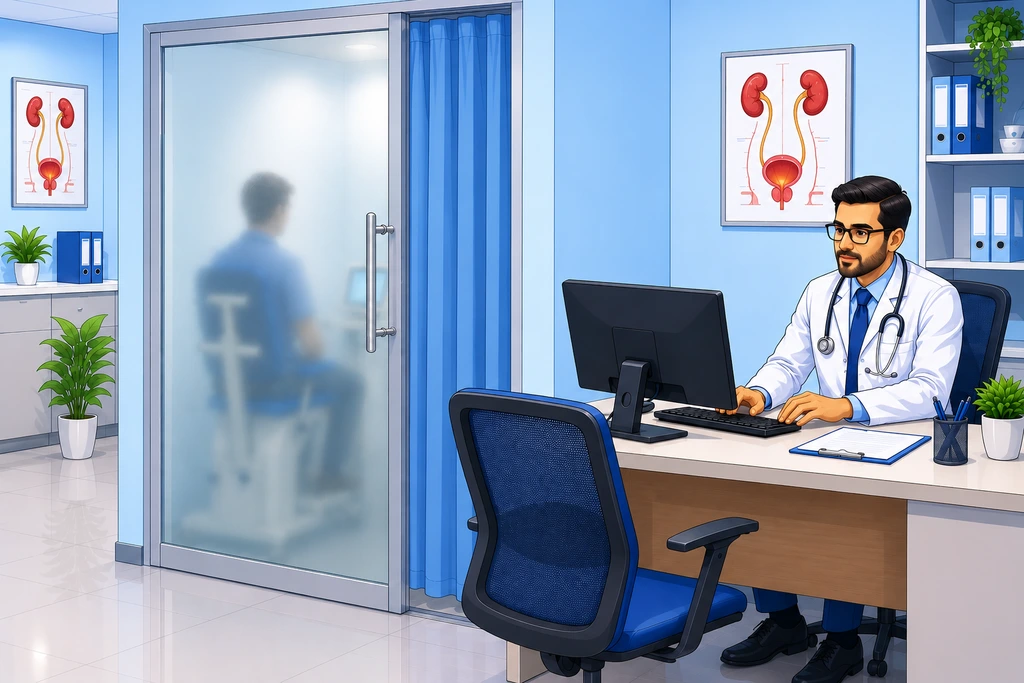
Healthcare has changed quickly over the last few years, and urology clinics are feeling that shift every day. Patients no longer want long recovery periods, uncomfortable procedures, or delayed answers. They expect faster diagnosis, smoother treatment, and healthcare that feels more personal. That growing demand is one reason clinics continue investing in advanced urology equipment.
Today’s urology care is significantly more advanced than it was a decade ago. Doctors now use high-definition imaging, minimally invasive surgical tools, and digital monitoring systems that make treatment safer and more precise. Instead of relying on lengthy procedures and guesswork, specialists can make quicker, more confident decisions.
Patients are also more informed than ever before. Many patients research clinics before booking appointments and often look for facilities that use innovative technology. Updated systems provide reassurance because people naturally feel more confident when treatment is supported by reliable, innovative medical equipment.
Advanced Urology Equipment Benefits
Healthcare providers today need to balance speed, safety, and accuracy. In urology, that balance matters even more because many procedures involve delicate areas that require careful handling.
This is where advanced urology equipment changes everyday patient care. Advanced systems help specialists detect issues earlier, perform procedures with greater precision, and reduce unnecessary stress for patients.
Key benefits include:
- Better precision during delicate procedures
- Faster recovery and shorter hospital stays
- Improved imaging and visual clarity
- Reduced infection risks during treatment
- More efficient patient management systems
Innovative equipment also helps clinics work more smoothly behind the scenes. Doctors can access scans and patient records more quickly, reducing delays and improving communication between departments.
Patients notice these improvements as well. An updated clinic environment often feels more organised, more professional, and far less overwhelming during treatment.
Smarter Urology Diagnostic Equipment Systems
Accurate diagnosis is the starting point of effective treatment. Without clear clinical information, even experienced specialists may struggle to identify the exact cause of urinary or reproductive problems. That is why urology diagnostic equipment continues evolving rapidly.
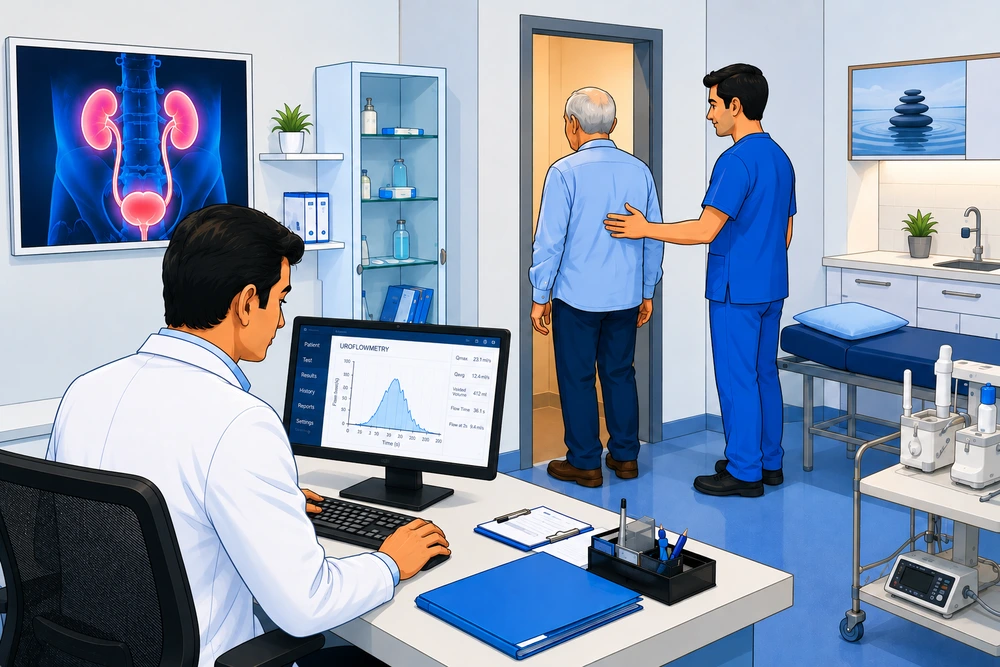
Modern diagnostic platforms such as uroflowmetry and urodynamic measurement systems provide objective data that assist clinicians in evaluating lower urinary tract function.
| Diagnostic Area | Traditional Approach | Modern Equipment Advantage |
| Bladder assessment | Limited visual accuracy | High-definition imaging |
| Urine flow analysis | Manual interpretation | Automated digital tracking |
| Prostate evaluation | Basic imaging support | Enhanced precision scanning |
| Patient monitoring | Delayed reporting | Real-time diagnostic feedback |
| Data management | Paper-based records | Integrated digital systems |
These systems help identify conditions such as bladder dysfunction, urinary obstruction, and prostate complications much earlier. An earlier diagnosis often means less invasive treatment and a smoother recovery process.
Advanced urology equipment enables faster workflows in busy clinics, helping medical teams deliver more efficient care and reduce administrative delays.
Modern Urology Devices In Surgery
Urological surgery has changed dramatically over the last decade. Older procedures often involved large incisions, lengthy hospital stays, and difficult recovery periods. Today, modern urology devices support minimally invasive treatment that feels far less physically demanding for patients.
Advanced scopes, laser systems, and modern visualisation technologies now allow surgeons to perform complex procedures with greater control and accuracy, making patients feel safer and more cared for during treatment.
Updated surgical systems offer several advantages:
- Smaller incisions and reduced tissue damage
- Better visibility during procedures
- Lower risk of surgical complications
- Faster discharge from the hospital
- Improved consistency in complex surgeries
Advanced irrigation management systems also contribute to procedural efficiency by maintaining consistent fluid flow and visibility during endourological procedures.
In many healthcare facilities, advanced urology equipment is also connected with digital operating systems that improve communication between surgical and diagnostic teams, building trust and transparency for patients and providers.
Better Urodynamic Testing Equipment Performance
Many urinary conditions are linked to bladder control, nerve function, or pelvic muscle weakness. Diagnosing these issues accurately requires reliable urodynamic testing equipment that can measure the urinary system’s performance in real time.
Technology-driven testing systems use digital sensors and computer-assisted analysis to improve diagnostic accuracy and patient comfort, enabling faster identification of problems and targeted treatments.
These advancements also improve the patient experience. Older testing methods often felt invasive and time-consuming, while newer systems reduce discomfort and shorten procedure time.
As healthcare becomes more data-driven, advanced urology equipment helps clinicians move beyond basic symptom management and deliver more personalised care for long-term patient wellbeing.
Kidney Stone Treatment Devices Evolution
Kidney stone treatment is now far less invasive than it was years ago. Advanced kidney stone treatment devices focus on faster recovery, precision treatment, and reduced patient discomfort.
Laser lithotripsy systems can break stones into tiny fragments without major surgery. Most patients recover more quickly and return to normal routines sooner compared to traditional treatment methods.
Improved imaging technology has also changed treatment accuracy. Specialists can locate stones more precisely and monitor procedures in real time, reducing the chance of remaining stone fragments.
Another major advantage of advanced urology equipment is treatment flexibility. Doctors can choose different approaches depending on stone size, location, and patient condition, creating more personalised care plans.
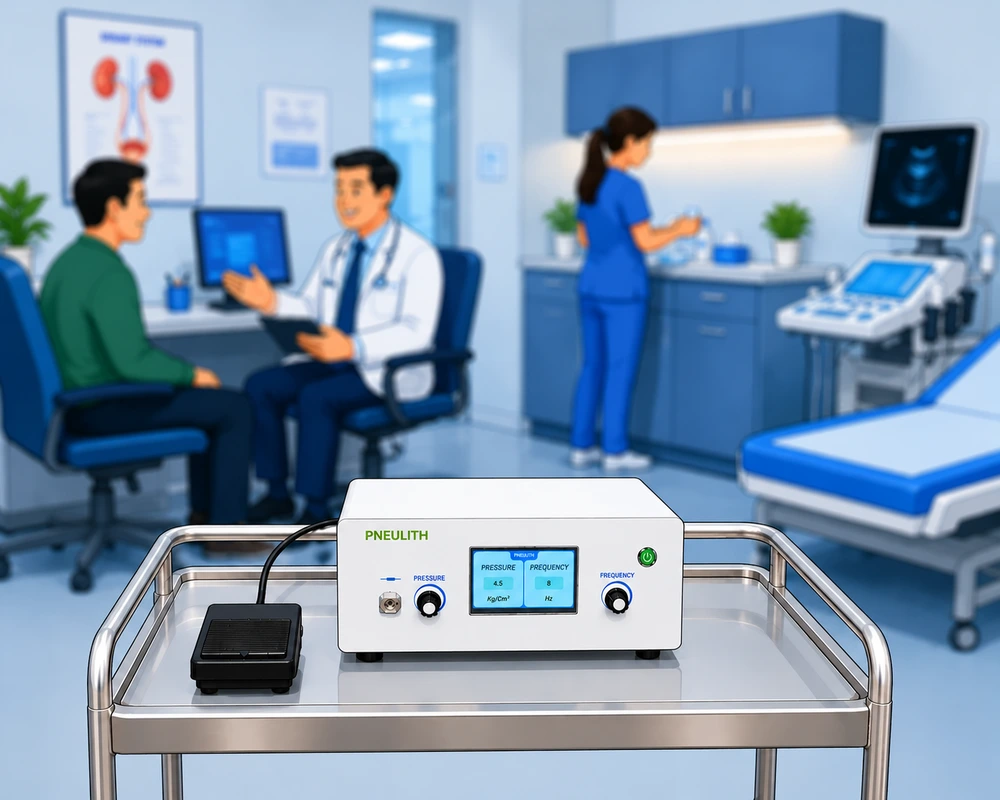
Technologies such as pneumatic lithotripters and Holmium:YAG laser systems have become essential tools in contemporary stone management procedures.
Technology Driving Patient Confidence
Modern healthcare is not only about treatment outcomes. It is also about how patients feel throughout the process. Confidence, communication, and comfort now influence healthcare decisions just as much as clinical expertise.
When patients walk into clinics equipped with advanced urology equipment, the environment feels immediately more reassuring.
Healthcare providers should also ensure advanced urology equipment meets recognised safety, quality, and compliance standards within regulated medical environments. International medical device frameworks such as the International Medical Device Regulators Forum (IMDRF) help guide global quality and safety practices.
Technology-driven facilities often appear more organised, responsive, and patient-focused because technology supports smoother care delivery.
This matters even more in urology, where many patients already feel uncomfortable discussing personal symptoms. A calm and modern clinical setting can make conversations feel easier and encourage people to seek treatment earlier.
Advanced urology equipment also improves communication during appointments. Many specialists now use imaging displays and digital reports to clearly explain conditions, helping patients understand what is happening and what treatment options are available.
Younger healthcare consumers are especially influenced by innovation. Many actively research clinics online before booking appointments and often associate updated technology with higher safety standards and better treatment quality.
Conclusion
The future of urological care depends on precision, innovation, and patient-focused treatment. From smarter diagnostics to minimally invasive procedures, advanced urology equipment continues improving the way specialists diagnose and manage complex conditions. Technology-driven healthcare facilities now rely on connected technologies that support faster recovery, more accurate treatment, and a more comfortable patient experience.
Enhance patient care with advanced urology equipment from Status Medical Equipments. Our portfolio includes uroflowmetry systems, urodynamic testing equipment, kidney stone treatment devices, Holmium laser lithotripters, and endourology support systems, helping healthcare providers deliver accurate diagnoses and efficient treatment. Contact us today to learn more.