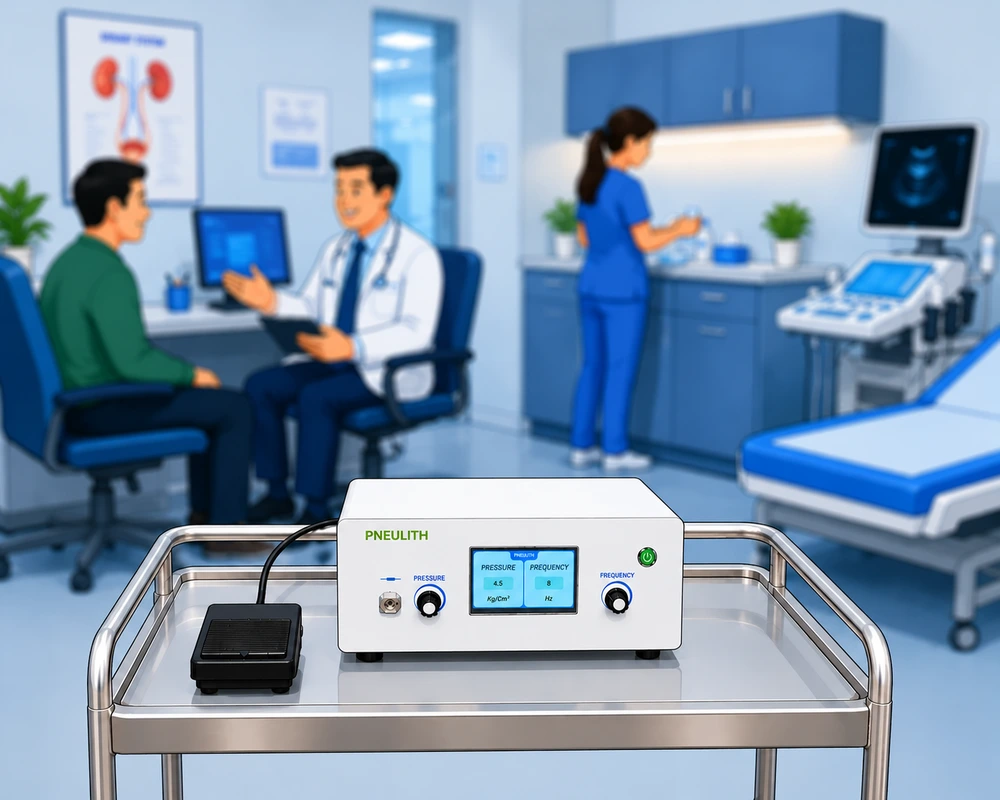

Modern endoscopic procedures rely on precision, visibility, and control. While surgeons often focus on imaging systems and surgical instruments, fluid management technology plays an equally important role in procedural success. A reliable infusion pump helps maintain a clear operative field, supports consistent irrigation, and allows clinicians to work with greater confidence throughout treatment.
From urology and hysteroscopy to arthroscopy, healthcare facilities increasingly depend on advanced fluid management systems to create stable operating conditions. However, choosing the right solution involves more than selecting a device with basic irrigation capabilities. Features such as pressure control, flow management, digital monitoring, and safety mechanisms can significantly influence clinical performance.
As minimally invasive procedures continue to grow worldwide, hospitals and surgical centres are placing greater emphasis on technologies that improve efficiency without compromising patient safety. Understanding the key features to evaluate can help healthcare providers invest in equipment that delivers long-term value and dependable performance.
Why Infusion Pump Performance Matters
Modern fluid management systems do far more than simply deliver irrigation fluid during a procedure. They help create the conditions necessary for clear visualisation and precise surgical intervention.
In many procedures, blood, tissue debris, and fluid accumulation can quickly reduce visibility. Without consistent irrigation, surgeons may struggle to maintain a clear view of the operative area. This can increase procedural complexity and create unnecessary interruptions.
A well-designed fluid management system delivers irrigation at a controlled rate while maintaining appropriate pressure levels. The result is a more stable operating environment where clinicians can focus on treatment rather than constantly adjusting irrigation conditions.
Another important consideration is workflow efficiency. Healthcare professionals need equipment that is easy to operate and responsive to changing procedural requirements. Systems that offer precise control over flow and pressure help reduce manual intervention and support smoother surgical workflows.
As healthcare facilities continue to invest in advanced endoscopic technologies, the infusion pump has become an increasingly important part of procedural planning. Choosing a solution with the right balance of performance, reliability, and safety can contribute significantly to overall clinical efficiency.
Evaluating a Digital Infusion Pump
Digital fluid management platforms provide greater control and visibility than conventional irrigation technologies. Digital technology enables clinicians to monitor and adjust procedural conditions in real time, helping maintain consistency throughout treatment.
One of the most valuable features of modern systems is an integrated LCD. Rather than relying on external indicators or manual estimates, clinicians can monitor essential operating information directly from the screen. This includes operating mode, flow settings, current pressure, and maximum allowable pressure.
Real-time monitoring provides several advantages. First, it allows healthcare professionals to identify changes in pressure or flow before they affect procedural performance. Second, it supports faster decision-making by presenting critical information in a clear and accessible format.
When assessing a digital system, healthcare providers should consider:
- LCD clarity and visibility
- Real-time pressure monitoring
- Adjustable flow rate settings
- Operating mode visibility
- Maximum pressure monitoring
- User-friendly controls
- Audible and visual alerts
- Quick response to pressure changes
These monitoring capabilities also help improve consistency across different procedures and clinical teams. By making key information immediately accessible, these systems reduce uncertainty and help clinicians maintain better procedural control.
Choosing the Right Peristaltic Infusion Pump
Peristaltic technology remains one of the most trusted approaches to fluid management in endoscopic procedures. Its popularity comes from a simple but highly effective operating principle.
In a peristaltic system, fluid travels through dedicated tubing while rotating rollers create controlled movement. Because the fluid remains inside the tubing throughout the process, it does not come into contact with the pump mechanism itself.
This design offers several important advantages. The isolated fluid pathway supports effective sterilisation and helps reduce the risk of contamination. For healthcare facilities focused on maintaining strict infection control standards, this can be a significant benefit.
This technology also supports consistent fluid delivery. Stable irrigation helps maintain visibility during procedures while reducing fluctuations that may affect operating conditions.
When evaluating a peristaltic system, consider:
- Sterile fluid delivery design
- Consistent irrigation performance
- Flow rate flexibility
- Pressure stability
- Ease of tubing installation
- Long-term durability
- Maintenance requirements
- Multi-specialty compatibility
Advanced systems combine the reliability of peristaltic technology with digital monitoring capabilities, creating a solution that supports both clinical performance and operational efficiency.
Comparing Infusion Pump Device Features
When selecting an infusion pump device, technical specifications should always be evaluated in terms of clinical benefits. The most effective systems combine precise fluid management with practical features that improve safety and usability.
| Feature | Clinical Benefit |
| Peristaltic infusion mechanism | Supports sterile fluid management |
| Flow rate up to 1000 ml/min | Maintains consistent irrigation |
| Adjustable flow settings | Procedure-specific flexibility |
| Pressure ranges from 0.1 to 0.9 bar | Greater procedural control |
| Real-time pressure monitoring | Improved visibility and stability |
| LCD interface | Easy access to critical information |
| Maximum pressure monitoring | Helps prevent excessive pressure build-up |
| Automatic irrigation stop | Enhanced procedural safety |
| Multi-specialty compatibility | Supports various endoscopic procedures |
For example, systems capable of delivering flow rates up to 1000 ml/min provide clinicians with greater flexibility during procedures requiring varying levels of irrigation. Likewise, adjustable pressure settings ranging from 0.1 to 0.9 bar allow healthcare professionals to tailor operating conditions according to specific procedural needs.
Features such as maximum-pressure monitoring and automatic irrigation-stop functions of the infusion pump further enhance safety by helping clinicians maintain pressure within predefined limits.
Understanding Hysteroscopy Pump and Arthroscopy Pump Applications
A hysteroscopy pump must provide stable fluid management to maintain uterine distension and support clear visualisation throughout the procedure. Even small pressure fluctuations can affect visibility and make treatment more challenging.
For this reason, clinicians often prioritise systems that offer accurate pressure regulation and responsive monitoring capabilities. Adjustable pressure settings allow healthcare professionals to maintain appropriate operating conditions while adapting to procedural requirements.
Similarly, an arthroscopy pump plays an essential role in maintaining visual clarity within joint spaces. Continuous irrigation helps preserve a clear operative field, allowing surgeons to identify anatomical structures and perform procedures with greater precision.
In arthroscopic procedures, stable pressure and consistent fluid delivery are particularly important because surgeons operate within confined spaces. Interruptions in irrigation or pressure instability can affect visibility and reduce procedural efficiency.
Many healthcare facilities now prefer an infusion pump designed to support multiple specialties. A single platform capable of handling hysteroscopy, arthroscopy, and urological procedures can improve equipment utilisation, streamline staff training, and enhance workflow efficiency.
Safety Features That Should Never Be Overlooked
Performance is important, but safety remains one of the most critical considerations when choosing an infusion pump.
Modern fluid management systems often incorporate multiple safeguards designed to help clinicians maintain control throughout a procedure. One of the most valuable features is continuous pressure monitoring. Real-time feedback allows healthcare professionals to identify changes quickly and respond before operating conditions are affected.
Maximum pressure monitoring provides an additional layer of protection. By establishing predefined limits, clinicians can reduce the risk of excessive pressure build-up during irrigation.
Some advanced systems also include automatic irrigation stop functionality. If pressure exceeds the preset threshold, irrigation automatically stops until safe conditions are restored. This feature helps minimise risks while supporting greater procedural confidence.
Another often-overlooked benefit is ease of use. Intuitive controls and clearly displayed information reduce the likelihood of user errors and enable faster responses during procedures. The most effective systems balance advanced safety mechanisms with operational simplicity, allowing healthcare teams to focus on patient care rather than equipment management.
How the Digital Hydromat Supports Modern Fluid Management
When evaluating fluid management technology, healthcare providers often look for a balance between precision, safety, and operational efficiency. The Digital Hydromat Peristaltic Infusion Pump, Status Medical Equipment’s advanced digital infusion pump, is designed to address these requirements through a combination of advanced monitoring and controlled irrigation capabilities.
Built on peristaltic infusion technology, the system keeps the fluid pathway isolated from the pump mechanism, supporting sterilisation and helping reduce contamination risks. The platform also offers continuously adjustable flow rates of up to 1000 ml/min, allowing clinicians to tailor irrigation according to procedural requirements.
To support greater procedural control, the Digital Hydromat provides adjustable intra-organ pressure settings ranging from 0.1 to 0.9 bar. Real-time monitoring through an integrated LCD allows clinicians to view operating mode, flow settings, current pressure, and maximum allowable pressure throughout the procedure.
The system also incorporates safety-focused functionality, including maximum pressure monitoring and automatic irrigation stop when preset pressure limits are exceeded. Combined with its suitability for urology, hysteroscopy, arthroscopy, and other endoscopic procedures, these features make it a versatile solution for modern surgical environments.
Digital Hydromat is manufactured under an ISO 13485-certified quality management system and is designed in compliance with applicable CDSCO regulatory requirements for medical devices.
Conclusion
Choosing the right infusion pump involves more than comparing technical specifications. Healthcare providers should evaluate how effectively a system supports visibility, fluid management, safety, and workflow efficiency across different endoscopic procedures. A solution that combines reliable performance with intuitive operation can help clinicians maintain greater control while adapting to the demands of modern surgical environments.
Status Medical Equipments continues to develop advanced medical technologies designed for modern surgical environments. Contact us today or visit our website to learn more about the Digital Hydromat and discover how advanced fluid management solutions can support greater procedural efficiency across endoscopic specialties.