The reliability of the measurements recorded throughout the investigation determines the quality of the diagnostic findings. During a urodynamic study, technical factors such as pressure transmission, catheter positioning, equipment calibration and signal stability can significantly influence data accuracy. Even minor inconsistencies may affect pressure interpretation and lead to unnecessary repeat testing.
Modern urodynamic investigations combine multiple measurements, including bladder pressure, abdominal pressure and urinary flow. Because these parameters are recorded simultaneously, even a minor technical inconsistency can affect pressure calculations or complicate clinical interpretation. Factors such as catheter placement, pressure signal stability, calibration and patient positioning must work together to produce dependable results.
Understanding where technical challenges occur helps clinicians reduce avoidable errors and improve diagnostic consistency. This article explores the most common issues encountered during urodynamic investigations, explains why they occur, and discusses practical approaches that support accurate measurements.
The Importance of Reliable Urodynamic Data
Every urodynamic study is performed to answer specific clinical questions about bladder storage, voiding function or lower urinary tract disorders. When technical issues compromise pressure recordings or flow measurements, clinicians may struggle to distinguish physiological findings from technical artefacts.
Accurate data also reduces unnecessary repeat investigations. Repeating a study increases appointment times, delays clinical decisions and places additional demands on both patients and healthcare providers. Maintaining consistent measurement quality from the beginning allows clinicians to interpret findings with greater confidence while improving workflow efficiency within busy urology departments.
Reliable results depend on several interconnected factors. The performance of the underlying urodynamics measurement system plays a central role in ensuring accurate pressure acquisition, signal stability and dependable clinical interpretation. Proper equipment setup, calibrated pressure channels, stable catheter positioning and continuous signal monitoring all contribute to producing clinically meaningful data. When each component performs consistently, the recorded information reflects the patient’s actual bladder function rather than technical inconsistencies introduced during testing.
Common Urodynamic Testing Challenges
Although urodynamic testing follows established clinical protocols, technical challenges can occur before or during the examination. Identifying these issues early helps clinicians prevent unreliable recordings and minimises unnecessary repeat procedures.
Common technical challenges include:
- Pressure transducer calibration errors that produce inaccurate baseline pressure values before measurements begin.
- Incorrect catheter placement can disrupt pressure transmission and result in unstable pressure readings throughout the examination.
- Air bubbles dampen pressure transmission, reducing the accuracy of recorded pressure changes and creating unstable pressure traces.
- Signal interference caused by loose connections or unstable recording channels.
- Uneven bladder filling rates affect bladder sensation measurements and pressure responses during filling cystometry.
- Patient movement during recording introduces artefacts that may resemble physiological pressure changes.
Recognizing early signs of issues like calibration errors, catheter movement, or pressure fluctuations enables clinicians to intervene promptly, minimizing technical artefacts and enhancing overall study reliability.
Improving Urodynamic System Performance
The performance of a urodynamic system directly influences the consistency of diagnostic measurements. Even experienced clinicians require dependable equipment that maintains stable pressure acquisition, synchronises multiple recording channels and captures physiological changes without interruption. Reliable system performance begins before testing starts.
Routine calibration confirms stable baseline pressures and reduces the likelihood of inaccurate detrusor pressure calculations during testing. Similarly, checking tubing connections and recording channels before catheter insertion helps identify technical issues that could compromise data quality later in the study.
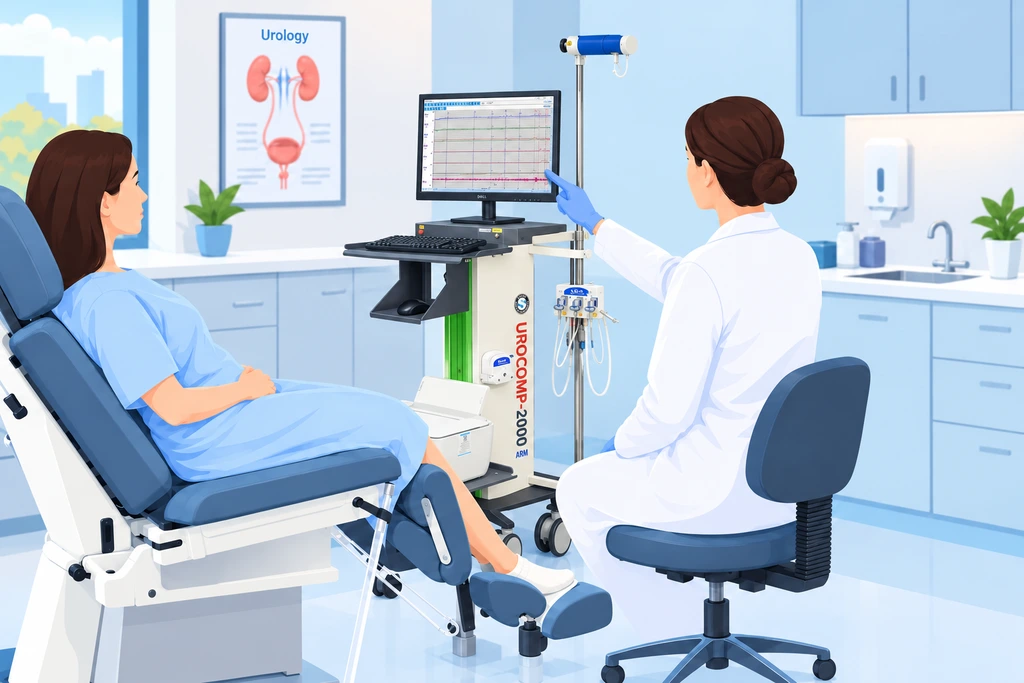
Integrated diagnostic platforms also improve workflow by combining pressure measurements, flow analysis and reporting within a single environment. Rather than relying on separate systems that require manual synchronisation, modern solutions streamline data acquisition and reduce opportunities for recording inconsistencies. Healthcare facilities seeking to improve diagnostic consistency may consider solutions such as the NG UROCOMP-2000, designed to support comprehensive urodynamic investigations with reliable measurement performance and efficient clinical workflow.
Consistent equipment maintenance remains equally important. Preventive servicing, software updates and regular performance verification help maintain long-term accuracy while reducing unexpected interruptions during patient appointments.
Pressure Flow Study Data Quality
A pressure flow study combines bladder pressure measurements with urinary flow data to evaluate bladder emptying and identify functional abnormalities during voiding. During a urodynamic study, multiple parameters are recorded simultaneously, making synchronised, high-quality data essential for accurate interpretation. Small recording inconsistencies can affect pressure-flow correlation, making clinical assessment more challenging.
The table below summarises some common technical issues encountered during pressure flow studies and practical ways to minimise their impact.
| Technical Challenge | Clinical Impact | Practical Approach |
| Catheter displacement | Unstable or inaccurate pressure readings | Confirm catheter position before recording begins. |
| Pressure drift | Incorrect detrusor pressure calculations | Perform calibration checks before every procedure. |
| Motion artefacts | Distorted pressure tracings | Maintain stable patient positioning throughout the study. |
| Poor channel synchronisation | Difficulty correlating pressure and flow events | Verify recording channels before data acquisition. |
| Interrupted flow recording | Incomplete voiding assessment | Repeat only the affected measurement if required. |
Early recognition of recording errors helps preserve data quality and reduces unnecessary repeat testing during a urodynamic study. Continuous observation of pressure waveforms, verification of baseline values, and prompt correction of recording irregularities contribute to more reliable pressure-flow interpretation and reduce the likelihood of unnecessary repeat investigations.
Cystometry Test Measurement Issues
A cystometry test evaluates how the bladder responds during filling by measuring pressure changes, bladder sensation and capacity. The quality of these measurements depends on maintaining controlled testing conditions throughout the filling phase. Even small variations can alter recorded pressure profiles, making interpretation more complex.
Several technical factors require close attention during cystometry:
- Filling rate: A filling speed that is too fast may alter bladder sensation and pressure responses compared with normal physiological conditions.
- Pressure baseline stability: Stable vesical and abdominal pressure baselines are essential for accurate detrusor pressure calculation.
- Catheter patency: Kinked tubing or partial blockages can restrict pressure transmission and create misleading pressure curves.
- Patient communication: Recording bladder sensations at the correct time improves the correlation between symptoms and measured pressure events.
- Continuous monitoring: Reviewing pressure traces throughout filling helps identify abnormalities caused by technical issues rather than bladder function.
Maintaining consistency during bladder filling improves data quality and provides clinicians with greater confidence when interpreting storage functions during a urodynamic study.
Patient Positioning During Assessment
Maintaining the same posture throughout the examination reduces movement-related artefacts, supports secure catheter placement and helps preserve consistent pressure measurements.
Patient comfort also supports consistent recordings throughout the examination. When patients remain properly supported, they are more likely to maintain a consistent position during filling and voiding phases, allowing clinicians to obtain clearer pressure and flow data. At the same time, ergonomic positioning improves clinician access during catheter placement and equipment adjustments without disrupting the examination.
Purpose-built examination furniture further supports these objectives by providing stability, ease of patient positioning, and an efficient clinical workflow. Facilities looking to optimise testing environments can explore the Urodynamic Study Chair from Status Medical Equipments, which is designed to improve both patient comfort and procedural efficiency during comprehensive urodynamic investigations.
Quality Assurance in Urodynamic Testing
Quality assurance measures and standardised testing protocols help ensure every study produces dependable information that supports informed treatment decisions.
Healthcare facilities can strengthen diagnostic quality by focusing on:
- Following standardised testing protocols for every examination.
- Performing calibration and equipment verification before each study.
- Training staff to recognise pressure artefacts and technical inconsistencies.
- Maintaining complete documentation for every investigation.
- Scheduling preventive maintenance and software updates for diagnostic systems.
- Reviewing recorded studies regularly to support continuous quality improvement.
Following recognised guidance from the International Continence Society (ICS) further supports consistent testing protocols and reliable clinical interpretation. When these practices become part of routine workflow, clinicians can reduce technical variability, improve reproducibility between examinations and increase confidence in diagnostic findings. Combining skilled clinical practice with dependable equipment creates a more reliable pathway from investigation to treatment planning.
Conclusion
Reliable urodynamic study results depend on accurate measurements, consistent technique and dependable diagnostic equipment. Correct equipment setup, stable catheter positioning, consistent patient management and systematic quality control all contribute to dependable pressure and flow measurements. Identifying and correcting technical challenges early helps clinicians reduce repeat studies, improve diagnostic confidence and support better patient care.
If your facility is looking to improve the quality and efficiency of urodynamic investigations, contact us at Status Medical Equipments to learn more about our advanced urodynamic solutions, including the NG UROCOMP-2000 and Urodynamic Study Chair.
Frequently Asked Questions
1. What is the most common technical challenge during a urodynamic study?
Pressure transducer calibration, catheter displacement and patient movement are among the most common technical challenges. These factors can alter pressure recordings, introduce artefacts and affect the accuracy of the final interpretation if they are not identified and corrected promptly.
2. Why is catheter positioning important during urodynamic testing?
Correct catheter placement ensures stable transmission of bladder and abdominal pressures throughout a urodynamic study. If a catheter shifts during testing, pressure readings may become unreliable, making it difficult to calculate detrusor pressure or accurately interpret bladder function.
3. How does equipment calibration improve diagnostic accuracy?
Calibration establishes accurate baseline pressure measurements before a urodynamic study begins. Regular calibration helps prevent pressure drift, improves consistency across studies, and ensures that recorded pressure values reflect physiological changes rather than equipment-related measurement errors.
4. Can patient movement affect pressure flow study results?
Yes. Unnecessary movement during a urodynamic study can create pressure artefacts that resemble genuine bladder contractions or changes in abdominal pressure. Maintaining a stable position throughout the examination helps preserve recording quality and reduces the risk of misinterpreting technical artefacts as clinical findings.
5. When should a urodynamic study be repeated?
A urodynamic study may be repeated when significant technical issues prevent reliable interpretation. Examples include persistent signal loss, unstable pressure baselines, interrupted flow recordings or catheter displacement that cannot be corrected during the original procedure.
6. How can healthcare facilities improve the quality of urodynamic testing?
Healthcare facilities can improve study quality by following standardised protocols, verifying equipment before every procedure, maintaining diagnostic systems, training staff to identify technical issues and using reliable urology diagnostic equipment designed for accurate data acquisition.