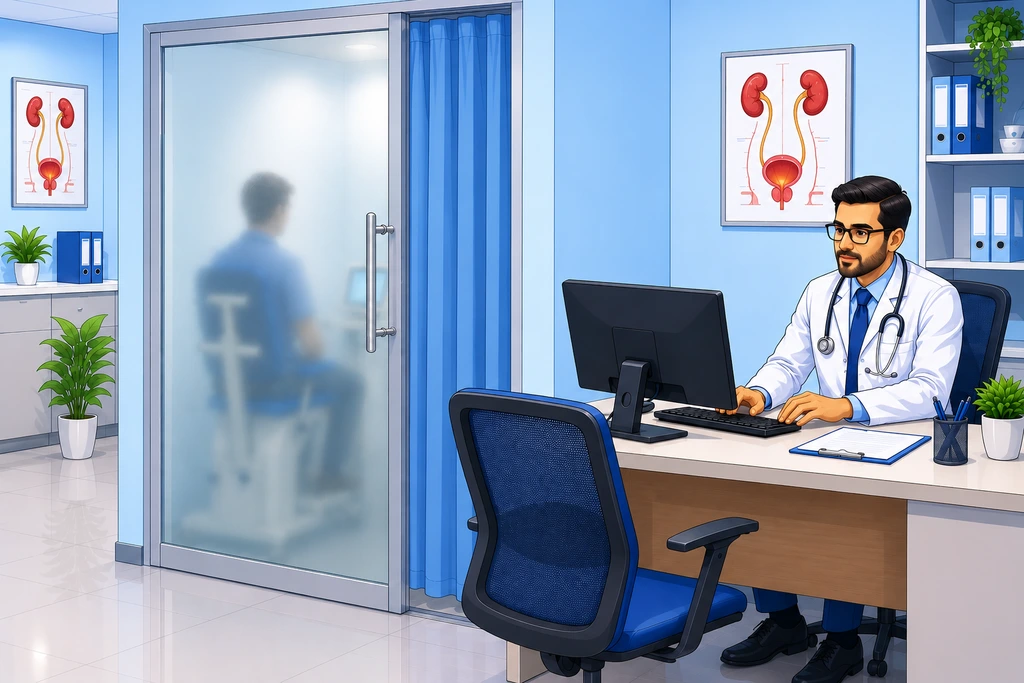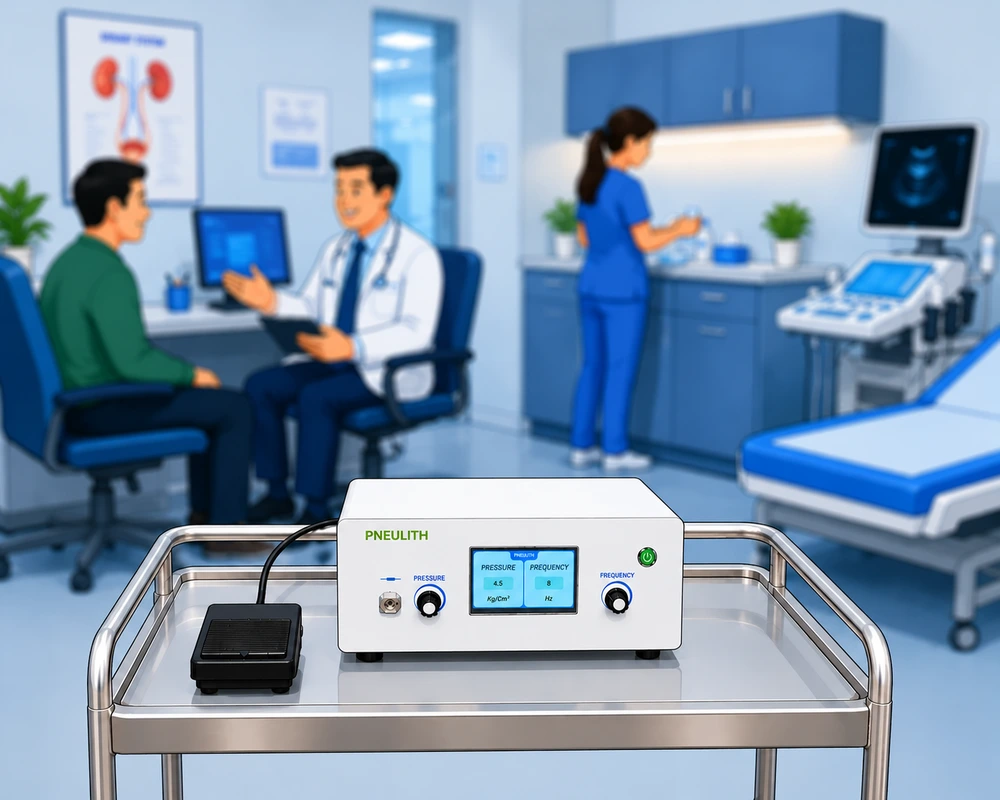
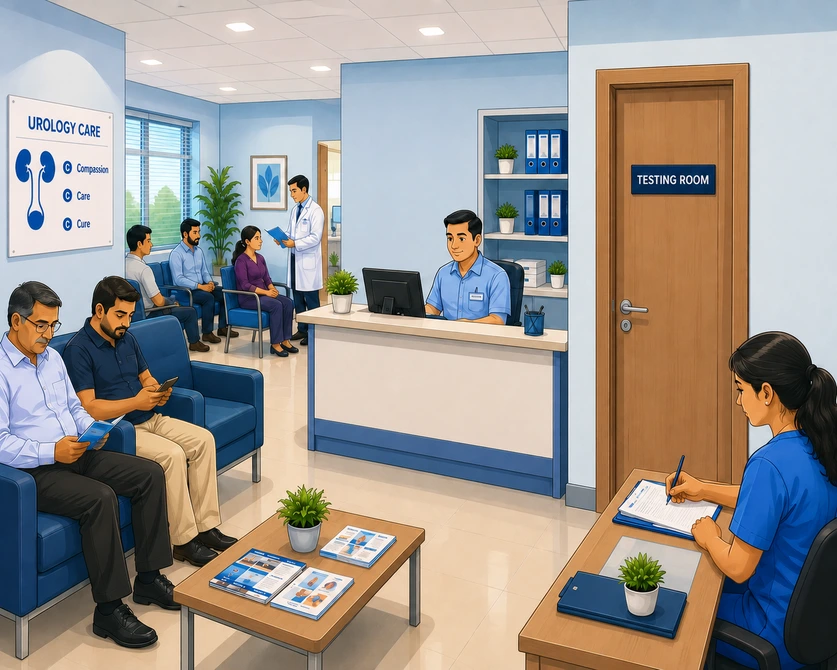
Modern healthcare environments are becoming increasingly demanding, especially for busy urology clinics managing continuous patient appointments throughout the day. Equipment efficiency now plays a major role in maintaining organised workflows, reducing delays, and improving the overall clinical experience. Because of this, many healthcare providers are now looking for a uroflowmetry system that supports flexibility, cleaner setups, and easier day-to-day operation.
The expectations surrounding medical equipment have also changed noticeably during recent years. Clinics no longer focus only on basic testing functionality. Instead, they prefer systems that fit naturally into modern consultation environments while supporting mobility, hygiene management, and the organisation’s patient data handling.
At the same time, patient experience continues to influence how clinics design and manage testing spaces. Cleaner layouts, reduced cable clutter, and compact equipment arrangements can help healthcare facilities create a more professional and comfortable environment for both staff and patients.
Why Workflow Matters in Modern Clinics
Busy urology clinics often manage back-to-back appointments within limited consultation hours. In these environments, even small workflow disruptions can affect room preparation, patient scheduling, and staff efficiency throughout the day.
Modern healthcare providers now prefer equipment that integrates more naturally into existing workflows. A well-designed uroflowmetry system can help reduce unnecessary setup complexity while supporting smoother clinical operation during high patient volumes.
Clinics are also becoming more conscious about room organisation. Equipment that supports cleaner layouts and flexible placement can improve the overall usability of testing areas without requiring major infrastructure adjustments.
Uroflowmetry System Features That Improve Efficiency
Modern healthcare facilities often prioritise features that support both workflow management and practical usability.
| Feature | Clinical Advantage |
| Wireless Connectivity | Supports flexible testing setups |
| Battery-Powered Operation | Allows easier equipment movement |
| Standalone Operation | Simplifies installation requirements |
| Self-Cleaning Functionality | Supports hygiene management |
| Digital Data Recording | Helps organise patient information |
| Compact Design | Supports easier room placement |
These features of the uroflowmetry system are increasingly relevant for clinics aiming to improve efficiency while maintaining organised testing environments.
Why Wireless Setups Are Becoming Popular
Wireless operation is increasingly preferred in clinics because it supports cleaner, more adaptable testing layouts. Wireless connectivity enables faster setup and reconfiguration of testing areas, helping clinics manage high patient volumes more efficiently. This flexibility reduces clutter and streamlines workflow, making daily operations smoother.
Reducing cable dependency can also help improve room organisation and create a more streamlined testing environment. Many healthcare providers now prefer a wireless uroflowmetry system because it supports cleaner setups and more flexible clinical workflows. The FlowComp NG Wireless Uroflowmeter also incorporates digital data management capabilities, supporting more efficient access to patient testing information.
Mobility Matters in Busy Clinics
Equipment mobility can significantly affect workflow efficiency in outpatient healthcare environments. In clinics where testing rooms are shared or equipment is repositioned regularly, mobility becomes increasingly important for daily operations.
Battery-powered operation allows staff to move testing equipment easily between different areas, reducing delays during busy schedules. Flexible placement supports smoother workflow management, especially in clinics with high patient throughput, by enabling quick repositioning without dependency on fixed power sources.
Healthcare facilities looking for adaptable testing arrangements often prioritise battery-based wireless uroflowmeters because they simplify movement between consultation spaces without depending entirely on fixed power access. The FlowComp Wave Battery-Based Wireless Uroflowmeter is particularly suited to clinical environments where testing requirements may vary throughout the day.
Installation Should Be Simple
Complex installation requirements in the uroflowmetry system can create unnecessary challenges for healthcare providers, especially in clinics managing limited space or changing room layouts. Many facilities now prefer systems designed to integrate more easily into existing consultation environments.
Standalone operation simplifies installation in clinical settings by reducing dependence on multiple connected components. This type of setup can support easier integration into consultation rooms while helping clinics avoid complicated installation adjustments.
Modern clinics increasingly prefer streamlined equipment layouts because they support smoother workflow management and reduce unnecessary operational complexity.
Hygiene Remains a Clinical Priority
Maintaining hygiene between patient appointments remains one of the most important operational priorities in healthcare environments. Clinics now expect the uroflowmetry system to support faster and more practical room preparation throughout the day.
Self-cleaning functionality supports hygiene management between patient tests, helping clinics maintain cleaner testing environments during continuous patient scheduling. The EasyFlow Standalone Self-Cleaning Uroflowmeter is particularly relevant in busy clinical settings where efficient room preparation between consecutive patient appointments is an important operational consideration. As patient expectations continue to rise, healthcare providers are placing greater importance on equipment features that contribute to organised and hygienic clinical spaces while supporting smoother day-to-day clinical operations.
How Uroflowmetry Test Equipment Handles Data
Modern uroflowmetry test equipment is expected to support more than just patient testing. Clinics increasingly prioritise systems that help manage information more efficiently while supporting organised record handling.
Digital data recording helps clinicians store and review uroflowmetry test results more efficiently. Easier access to patient information can support smoother consultation processes and improve record organisation during ongoing patient evaluations.
Healthcare providers are also becoming more dependent on digital workflow management because well-organised data handling can reduce administrative interruptions throughout the day. Uroflowmetry testing should be performed in accordance with established urological assessment protocols and applicable medical device regulations.
Compact Equipment Helps Smaller Clinics
Space limitations remain a common challenge in many healthcare environments, particularly in clinics managing multiple consultation rooms within smaller facilities. Equipment size can therefore influence workflow efficiency more than many providers initially expect.
Compact design of the uroflowmetry system supports easier placement in different clinical settings, helping clinics organise consultation spaces more effectively without overcrowding testing environments. Smaller equipment layouts can also support more practical room planning in high-traffic healthcare facilities.
As modern clinics continue adapting to changing operational demands, compact medical equipment is becoming increasingly valuable across different healthcare settings.
Modern Uroflowmetry Machine Design Trends
The modern uroflowmetry machine has evolved significantly in response to changing healthcare expectations. Older systems were often larger, less flexible, and more dependent on fixed room layouts. Today’s equipment is increasingly designed around adaptability, usability, and workflow support.
Uroflowmetry system manufacturers now focus more heavily on compact hardware, cleaner layouts, and simplified installation. Wireless functionality is also becoming more common, as clinics increasingly prefer flexible room layouts that facilitate easier equipment management.
Another noticeable trend is the growing preference for standalone systems. Healthcare providers now look for equipment that integrates more naturally into existing consultation spaces without adding unnecessary complexity.
What Clinics Expect From a Uroflowmetry Device
Modern healthcare providers expect a uroflowmetry device to support smooth workflow management and practical day-to-day use. Equipment selection often depends on how easily systems fit into existing clinical environments.
Clinics usually prioritise features that improve flexibility and operational efficiency. Wireless connectivity enables more flexible testing arrangements, while battery-powered operation makes it easier to move between testing areas. Digital data recording also helps clinicians manage patient information more efficiently.
Some commonly prioritised expectations include:
- Easier installation within clinic layouts
- Reduced cable dependency in testing rooms
- Efficient hygiene management between appointments
- Organised access to patient testing records
- Flexible equipment placement across consultation areas
Clinics seeking modern testing solutions can explore various uroflowmeter systems designed to support flexible, efficient clinical workflows.
Conclusion
Choosing the right uroflowmetry system now involves more than comparing technical specifications alone. Modern healthcare facilities increasingly prioritise workflow flexibility, organised data handling, easier installation, hygiene management, and space efficiency. Features such as wireless connectivity, battery-powered operation, standalone functionality, self-cleaning support, digital data recording, and compact design all contribute to smoother clinical operation in busy healthcare environments.
Visit Status Medical Equipments to explore advanced uroflowmetry solutions and a complete range of urological medical equipment designed for modern clinics and healthcare facilities.