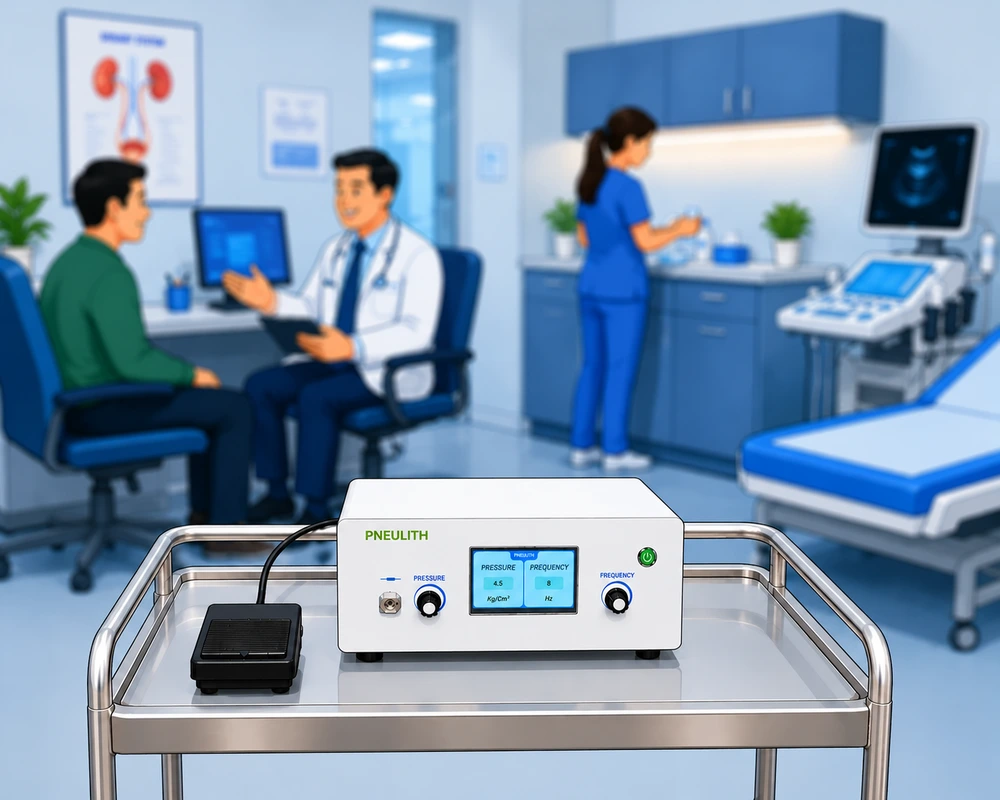

A uroflowmetry report takes only a few minutes to generate, yet it can influence important clinical decisions. Whether a patient is being evaluated for urinary symptoms or monitored during treatment, the quality of the results depends on how reliably the test is performed. This makes uroflowmetry testing far more than just a routine diagnostic procedure.
In busy urology clinics, small inconsistencies can affect outcomes. A patient may arrive with an overfilled bladder, receive unclear instructions, or feel rushed during the procedure. Even when the equipment functions correctly, these factors can create results that do not accurately reflect normal urinary behaviour.
As patient volumes increase, many clinics are looking for ways to reduce testing variability and improve diagnostic consistency. Clinics that focus on patient preparation, standardised workflows, equipment performance, and digital data management are more likely to achieve reliable, clinically meaningful results.
Improving Uroflowmetry Testing Consistency
Accurate and consistent results help clinicians make confident decisions about diagnosis, treatment planning, and long-term patient monitoring. When findings are inconsistent, healthcare providers may struggle to determine whether unusual patterns reflect a genuine condition or simply testing variability.
Consider a patient who waits for an extended period before the assessment. By the time the test begins, bladder conditions may differ significantly from everyday urinary habits. The resulting flow pattern may not accurately represent normal function.
Reliable testing is particularly important when evaluating patients with lower urinary tract symptoms (LUTS) such as urgency, frequency, weak stream, or incomplete bladder emptying. Objective measurements help clinicians compare symptom reports with measurable urinary performance and support a more accurate urinary tract evaluation.
Well-controlled testing improves diagnostic confidence, reduces repeat assessments, supports treatment monitoring, strengthens patient trust, and contributes to more efficient clinical workflows. Consistent testing conditions give clinicians greater confidence when comparing results and making treatment decisions.
Preparing Patients for a Uroflowmetry Test
The success of a uroflowmetry test often depends on preparation before the patient enters the testing room. Yet this remains one of the most common sources of testing variability.
Some patients drink excessive amounts of water before the procedure because they believe it will improve the test. Others arrive without adequate bladder filling. Both situations can influence urinary flow patterns and affect the reliability of the results.
Simple preparation instructions before the appointment can help patients arrive with the right bladder volume and reduce avoidable testing errors.
To improve uroflowmetry testing consistency, effective preparation strategies include:
- Sending hydration instructions before the visit
- Explaining the procedure in simple language
- Advising patients not to force urination
- Reviewing medications that may affect urinary function
- Reducing waiting times after bladder filling
A patient who understands the process is more likely to produce a natural voiding pattern. This improves data quality and reduces the likelihood of repeat testing.
Standardising Urinary Flow Rate Measurement
As clinics grow, maintaining consistency becomes more challenging. Different staff members may perform assessments throughout the week, and small differences in instructions can influence urinary flow rate measurement outcomes.
One technician may provide detailed guidance before the test, while another may offer only basic instructions. Although these differences appear minor, they can create variations in testing conditions.
The table below highlights common operational challenges and practical solutions.
| Challenge | Impact on Reliability | Recommended Solution |
| Inconsistent patient instructions | Variable flow patterns | Standardized protocols |
| Different operator techniques | Procedural variation | Staff training programs |
| Irregular calibration checks | Measurement inconsistencies | Scheduled verification |
| Manual result recording | Documentation errors | Digital reporting |
| High patient volume | Rushed procedures | Structured scheduling |
Standardisation helps ensure that every patient experiences the same testing process regardless of who performs the assessment. This consistency improves the quality of uroflowmetry testing results and strengthens long-term monitoring.
Reducing Errors During the Urine Flow Test
A urine flow test may appear straightforward, but environmental factors often influence the outcome. Privacy remains one of the most important considerations. Patients who feel uncomfortable or rushed may alter their normal voiding behaviour, which can affect uroflowmetry testing results and lead to unrepresentative flow patterns.
High-volume outpatient clinics face additional challenges. During peak hours, patients may wait too long after reaching the desired bladder volume or be called for testing before they feel naturally ready. Both situations can affect reliability.
Several workflow adjustments can help reduce avoidable testing errors:
- Dedicated testing areas
- Clear patient instructions
- Comfortable and private environments
- Better appointment coordination
- Reduced interruptions during testing
Many clinics find that improving patient comfort directly impacts the consistency of results. A relaxed patient is more likely to produce meaningful diagnostic data.
Strengthening Equipment Reliability Standards
Even well-trained staff cannot compensate for unreliable equipment. Device performance plays a critical role in maintaining consistent uroflowmetry testing accuracy over time.
In high-volume clinics, uroflowmeters may be used repeatedly throughout the day. Without proper maintenance, small measurement variations can gradually accumulate and go unnoticed, potentially undermining confidence in the data. Regular calibration checks and preventive maintenance reassure clinicians about equipment reliability.
Consider a clinic that performs multiple assessments each week. If calibration checks are delayed, clinicians may continue receiving reports without realising that measurement accuracy has changed.
To maintain reliability, clinics should establish a structured equipment management program that includes:
- Calibration verification
- Preventive maintenance schedules
- Software update reviews
- Equipment performance checks
- Service documentation
Healthcare facilities should use and maintain uroflowmetry equipment in accordance with the manufacturer’s instructions and applicable requirements under India’s Medical Devices Rules, 2017.
These practices help maintain measurement accuracy throughout the device’s operational life. In busy clinics, consistent device performance is essential for dependable diagnostic results. Beyond routine maintenance, selecting the right uroflowmeter system is equally important for maintaining consistent diagnostic performance. Clinics should consider factors such as measurement reliability, workflow compatibility, ease of operation, and long-term service support when evaluating different systems for routine clinical use.
Well-maintained equipment not only improves diagnostic confidence but also supports operational efficiency by reducing unexpected downtime and the need for repeat assessments.
Better Urinary Flow Monitoring Systems
Reliable urinary flow monitoring becomes increasingly important when patients require repeated assessments over time. Long-term monitoring helps clinicians evaluate treatment effectiveness and identify changes in urinary function.
However, comparing results becomes difficult when testing conditions vary between visits. Consistent record management reduces documentation errors and makes follow-up assessments easier to compare. Organised patient records make it easier to identify trends and compare results across multiple visits.
Digital reporting also improves continuity of care. Clinicians can quickly compare previous assessments and identify meaningful changes in urinary performance, improving the value of uroflowmetry testing during follow-up care.
As clinics increasingly rely on digital records and trend analysis, consistent monitoring systems help streamline workflows while supporting more dependable assessments.
Supporting Benign Prostatic Hyperplasia Diagnosis
One of the most common uses of uroflowmetry is supporting a benign prostatic hyperplasia (BPH) diagnosis. As the population ages, more patients are seeking evaluation for prostate-related urinary symptoms.
Although uroflowmetry cannot independently confirm BPH, it provides valuable information about urinary flow performance and potential obstruction. For patients undergoing long-term management, accurate uroflowmetry testing plays an important role in tracking changes over time. Even small changes in flow rate may influence treatment decisions, follow-up plans, or additional investigations.
When clinics maintain consistent workflows, well-maintained equipment, and standardised testing conditions, clinicians can better distinguish genuine clinical changes from testing variability. This supports a more accurate bladder function assessment, leading to more informed decision-making and improved patient care.
Conclusion
Improving the reliability of uroflowmetry testing requires more than advanced equipment alone. Patient preparation, workflow consistency, staff training, equipment maintenance, and digital reporting all contribute to the quality of the final result. Clinics that strengthen these areas are better positioned to produce consistent results and support confident clinical decision-making.
To learn more about uroflowmetry systems and workflow solutions designed for reliable diagnostic performance, contact Status Medical Equipments and explore solutions that support consistent diagnostic performance.
Frequently Asked Questions
1. Why is reliability important in uroflowmetry testing?
Reliable testing helps clinicians make accurate diagnostic and treatment decisions. Consistent results reduce uncertainty, improve patient monitoring, and provide a stronger foundation for evaluating urinary function over time.
2. What factors most commonly affect uroflowmetry testing results?
Patient preparation, hydration levels, testing environment, staff instructions, equipment calibration, and workflow consistency are among the most common factors influencing reliability.
3. How can clinics improve patient preparation for uroflowmetry?
Clinics can provide hydration guidelines, explain the procedure clearly, review medications, and minimise delays between bladder filling and testing to improve the quality of uroflowmetry testing.
4. How do digital reporting systems improve urinary flow monitoring during uroflowmetry testing?
Digital systems reduce manual data entry, improve access to records, support trend analysis, and generate standardised reports that simplify long-term patient monitoring.
5. Can a uroflowmetry test help diagnose benign prostatic hyperplasia (BPH)?
Yes. It provides objective information about urinary flow performance and can help clinicians assess obstruction, monitor treatment response, and support BPH evaluation.