How Effective Are Intracorporeal Lithotripters in Stone Removal?
Stone removal technology is now expected to do more than break calculi. Hospitals need systems that work quickly, fit into minimally invasive workflows, and remain reliable through repeated daily procedures. That is why intracorporeal lithotripters remain widely used in modern urology departments.
Modern pneumatic platforms are designed around these operational demands. They help fragment urinary stones with controlled force, broad procedural compatibility, and efficient operating room usability.
For distributors and procurement teams, this matters because a single, reliable system can improve consistent clinical outcomes, simplify ownership costs, and enable multiple stone-treatment pathways.
Why Intracorporeal Lithotripters Work Well
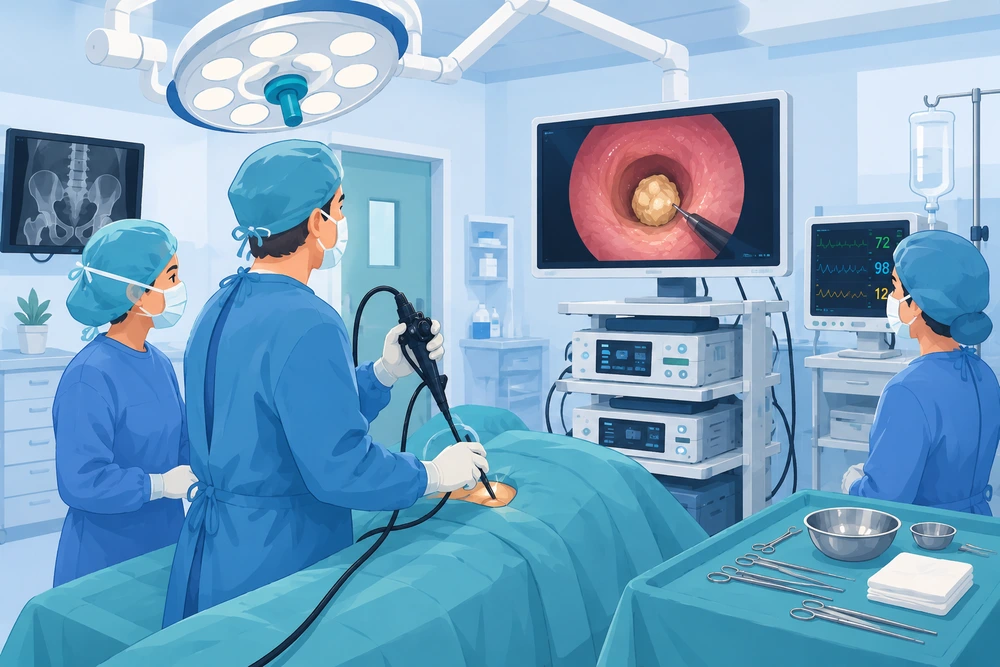
The key benefit of intracorporeal lithotripters is direct-contact stone fragmentation, in which mechanical pulses are delivered through a probe pressed against the stone, enabling precise fragmentation during endoscopic procedures.
Advanced pneumatic systems use high-pressure air pulse technology to fragment stones into smaller pieces that can be removed or flushed. Because the energy is delivered directly to the stone, treatment remains focused and controlled.
The system is also designed for low heat generation and minimal tissue disturbance, which is valuable when working in delicate anatomical areas. This makes it a practical choice for minimally invasive stone treatment.
Intracorporeal Lithotripsy with Better Control
Power alone does not create efficient treatment. Surgeons need predictable probe behaviour and responsive output during procedures. Intracorporeal lithotripters become more valuable when they combine force with handling precision.
Modern units are engineered with limited forward probe movement. This helps reduce unwanted stone migration during fragmentation, especially in ureteric procedures where retropulsion can waste time.
The unit also offers adjustable blast pressure, allowing surgeons to tailor output based on stone density, location, and personal preferences. This flexibility gives surgeons better control during varied procedures.
High-Efficiency Stone Fragmentation Results
Every operating room minute incurs a cost and adds to scheduling pressure. Faster fragmentation can improve throughput, reduce prolonged anaesthesia exposure, and help hospitals manage more procedures each day. That is why intracorporeal lithotripters remain commercially relevant worldwide.
Modern systems are built to break both routine and complex cases into manageable fragments, allowing facilities to treat standard and demanding cases on a single platform.
Reliable stone fragmentation can reduce repeated instrument repositioning during treatment. Systems that manage varied stone types on one platform also simplify equipment planning and make daily use easier for clinical teams. These efficiencies can create measurable annual gains for busy stone management centres.
Pneumatic Lithotripter with Practical Ownership
Healthcare buyers often prefer systems that are dependable yet free of unnecessary complexity. A pneumatic lithotripter is attractive because it delivers strong fragmentation while remaining efficient to run and maintain.
This category delivers ownership value through:
- Straightforward operation for daily use
- Reliable pneumatic performance across repeated cases
- Easier staff familiarisation
- Practical servicing requirements.
- Strong fit for growing hospitals
- Lower workflow disruption risk
For procurement teams, equipment value includes uptime, training effort, and maintenance burden over several years. Durable internal construction also supports long-term routine use in high-volume centres.
Ureteroscopic Lithotripsy with Multi-Probe Access
Hospitals rarely invest in equipment for only one procedure type. Intracorporeal lithotripters with multiple probe sizes help increase treatment flexibility from a single unit.
Common probe options include:
- 0.8 mm, 1.0 mm, and 1.2 mm probes for ureterorenoscopy
- 1.5 mm probe for bladder stone procedures
- 2.0 mm probe for renal stone applications
This allows centres to use a single platform for ureteric, bladder, and renal stone cases, improving equipment utilisation and reducing the need for multiple specialised systems. Different probe selections also help surgeons choose suitable access options for varying anatomy and stone burden.
PCNL Lithotripsy for Renal Cases
Large renal stones often require percutaneous nephrolithotomy lithotripsy (PCNL), where output consistency becomes especially important. During longer procedures, intracorporeal lithotripters must maintain dependable fragmentation without interrupting workflow.
These systems assist renal stone treatment through dedicated 2.0 mm probes and adjustable pressure settings. The control unit operates at 230 VAC, 50 Hz, with a working pressure range of 1.8 to 4 Kg/Cm² and a maximum input pressure of 6 Kg/Cm².
It can operate with compressed air, an oxygen supply, or compatible central gas line infrastructure, depending on the facility’s setup. Alignment with applicable CDSCO requirements and IEC 60601-1 safety standards also helps biomedical teams assess purchasing suitability with greater confidence.
Intracorporeal Lithotripters for Compact Spaces
Operating room space is often limited, especially in facilities running multiple procedures daily. Portable intracorporeal lithotripters can ease setup and reduce logistical stress, improving overall workflow.
Compact movable units can be paired with a trolley system for easier transport. An optional oil-less, noiseless compressor support also benefits centres without central gas access. Powder-coated wheeled trolley construction improves mobility and supports long-term durability in clinical environments. That combination helps hospitals move equipment faster between theatres while maintaining cleaner, quieter operations.
Why Calculiclast Is More Reliable
Buyers do not simply compare brochures. They compare uptime, adaptability, ease of use, and confidence in daily performance. Intracorporeal lithotripters that combine these qualities usually deliver better long-term value.
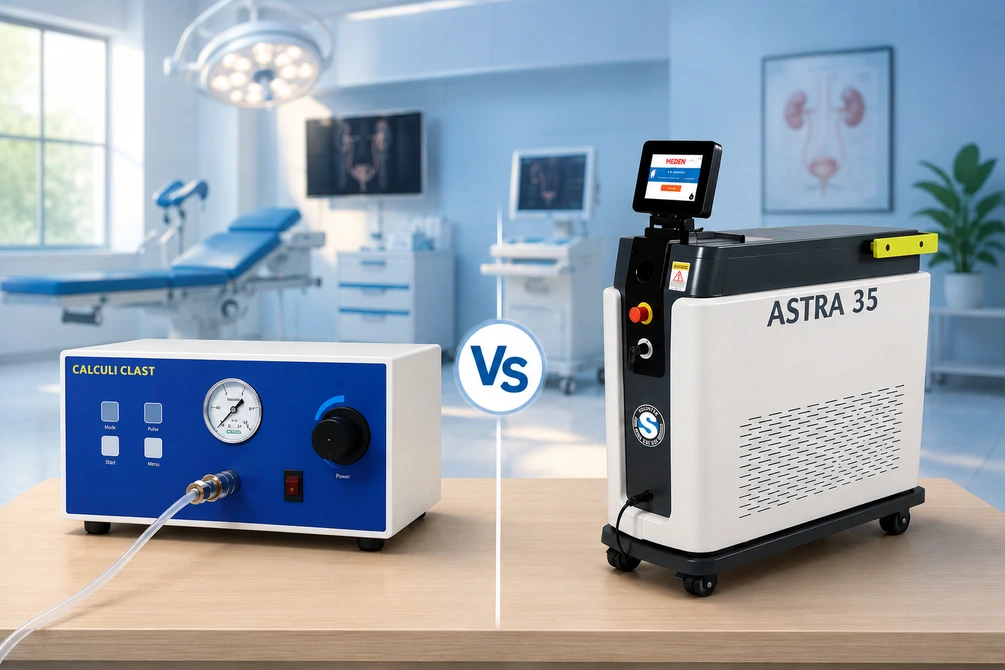
Calculiclast combines practical design with measurable operating advantages. Its specifications support hospitals seeking reliable daily performance, wider procedural coverage, and efficient ownership value.
| Product Characteristic | Clinical Advantage | Business Value |
| High-pressure air pulses | Fast stone breakage | Better case turnover |
| Adjustable blast power | Improved treatment control | Wider surgeon adoption |
| Reduced probe thrust | Lower stone migration | Faster workflow |
| Compact portable unit | Easier room setup | Better space use |
| Multi-probe compatibility | Broader procedure use | Higher utilisation |
Calculiclast Intra-corporeal Pneumatic Lithotripter stands out for offering stable pneumatic output, adjustable treatment power, reduced probe thrust, broad probe compatibility, and compact portability in a single system.
Unlike single-purpose or bulky alternatives, it can serve multiple stone procedures while remaining easy to own, move, and operate. That makes Calculiclast an effective option for hospitals, specialty centres, and distributors.
Conclusion
The real value of intracorporeal lithotripters lies in faster stone clearance, better procedural control, wider treatment flexibility, and consistent long-term results. CalculiCast shows how pneumatic technology can help hospitals manage ureteric, bladder, and renal stone cases with smoother workflow, fewer delays, and improved day-to-day reliability.
If your hospital, distributor network, or surgical centre is ready to strengthen stone management capability, contact Status Medical Equipments today to explore calculiclast and secure an advanced solution for modern urology practice. Increase case capacity, handle more procedures, and invest in equipment built for lasting operational returns.
FAQs:
They deliver mechanical pulses through a probe placed directly on the stone. This contact energy breaks the stone into smaller fragments for removal or flushing during treatment.
Yes. Systems like Calculiclast are designed to fragment both routine and larger stones into manageable pieces during minimally invasive procedures.
Hospitals often prefer them for their reliable performance, practical maintenance needs, straightforward operation, and clear suitability for daily stone treatment.
Yes. Its range of probe sizes allows treatment of ureteric, bladder, and renal stones from one platform.
It combines stable pneumatic output, adjustable power, multi-probe flexibility, compact mobility, and compliance with recognised standards for dependable long-term use.