Enhancing Clinic Efficiency Through Self-Cleaning Uroflowmetry Systems
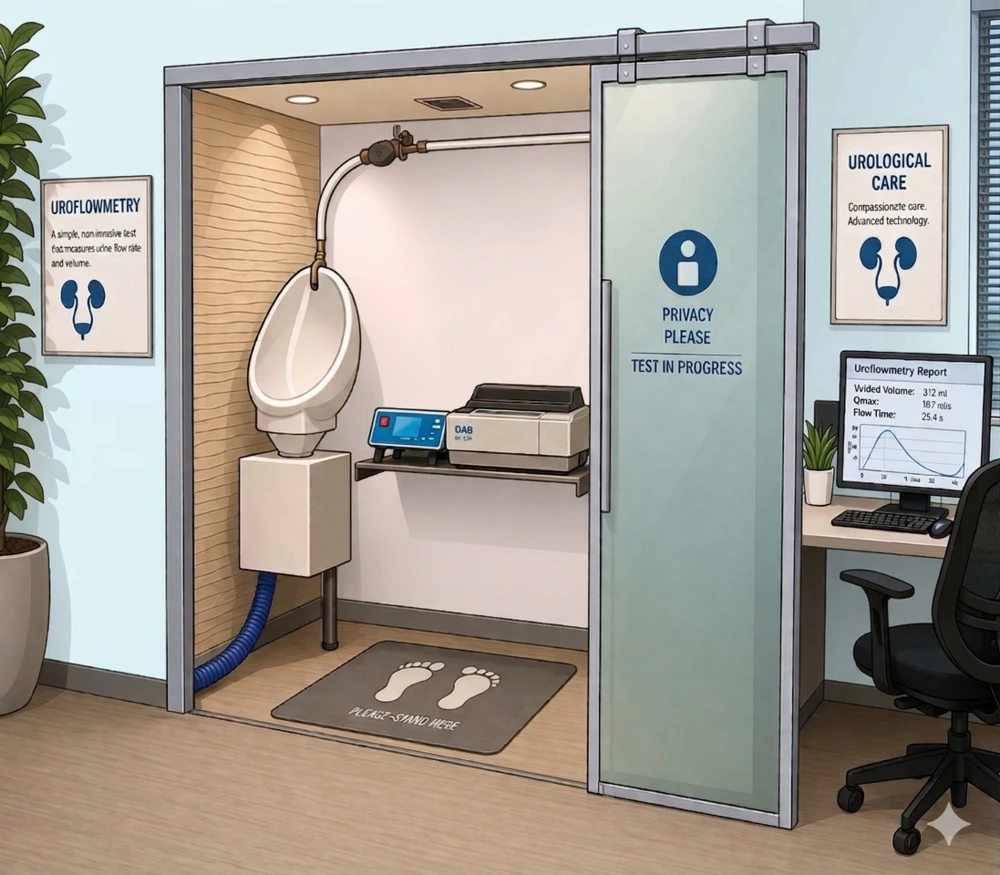
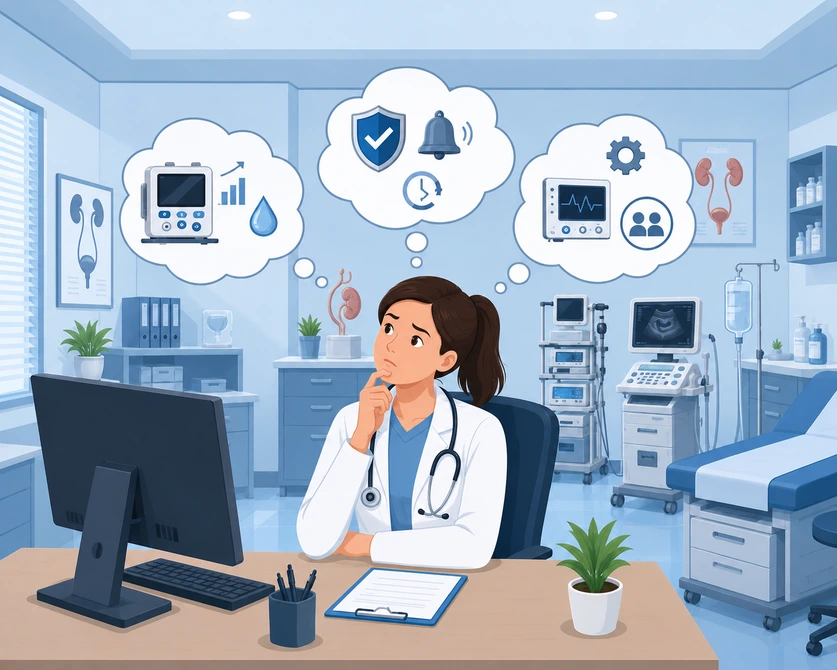
In most urology clinics, delays do not come from the test itself; they tend to show up right after. This is where self-cleaning uroflowmetry systems begin to make a quiet but noticeable difference.
A standard uroflowmetry system completes the measurement quickly, but the process rarely ends there. Someone still needs to step in, clean the unit, and get it ready again. That short pause appears throughout the day and gradually affects how smoothly things move. Self-cleaning uroflowmetry systems eliminate that gap. The system resets in the background, without needing attention, so the next patient does not have to wait for the setup to catch up.
Workflow Gaps In Uroflowmeter Usage
Closely observing a clinic reveals that workflow gaps are subtle and occur often. While the system may complete its cycle quickly, the surrounding setup often isn’t ready, causing small delays that add up.
After each test, attention shifts to cleaning and preparing the system. During this time, the next patient waits, even if only for a few minutes. Self-cleaning uroflowmetry systems change this pattern. The system handles its own reset, so the flow between patients feels less dependent on who is available to manage it. Over the course of a busy OPD, these small delays accumulate and begin to affect overall efficiency.
Self-Cleaning Uroflowmeter Improves Hygiene
Hygiene is always a priority in urology, but consistency is where things often vary. On less busy days, cleaning may be thorough, while during peak hours, it can become routine and rushed.
A self-cleaning uroflowmetry system standardises this process. Each cycle follows the same cleaning process, regardless of workload. This does not just improve cleanliness. It maintains consistent conditions from one patient to the next, which is important when comparing results over time.
In repeat evaluations, even small inconsistencies in preparation can influence how readings are interpreted. A system that standardises cleaning helps reduce that uncertainty without adding extra steps. Clinical use of self-cleaning uroflowmetry systems should comply with applicable medical device regulations and hygiene protocols set by relevant health authorities in India.
Self-Cleaning Uroflowmeter Saves Time
Time in clinics is rarely lost in one place. It usually appears as small gaps between steps. Self-cleaning uroflowmetry systems minimise these gaps by preparing the system automatically while other clinical activities continue.
Practical impact on daily operations:
- Less waiting between one patient and the next
- Smoother progression of appointments
- Reduced reliance on staff availability
- Fewer disruptions during peak hours
The impact may seem gradual, but it becomes clearly noticeable over a full day of operations.
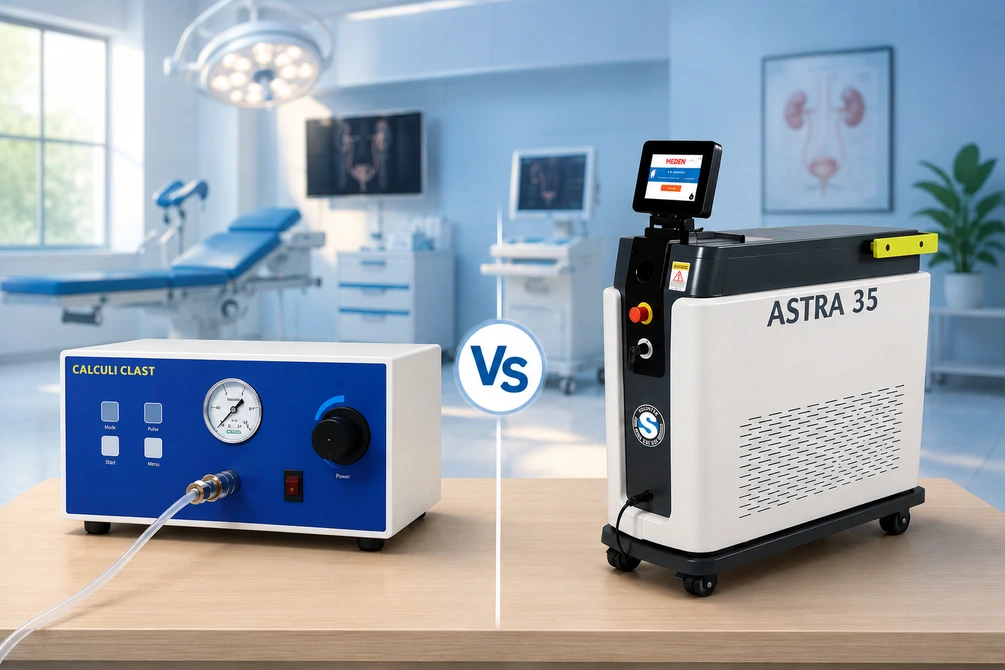
Comparing Traditional And Modern Systems
The shift from standard setup to self-cleaning uroflowmetry systems is easier to notice over time.
| Feature | Traditional Uroflowmeter | Self-Cleaning Uroflowmeter |
| Cleaning Method | Manual | Automated |
| Time Between Patients | Inconsistent | More predictable |
| Hygiene Consistency | Varies with workload | Standardised |
| Staff Involvement | Regular | Minimal |
| Workflow Pattern | Stop-start | More continuous |
It is less about speeding things up and more about reducing where the process tends to pause.
Enhancing Patient Experience
Patients may not focus on the equipment itself, but they notice how the process feels. A pause or visible preparation can make the experience feel longer than it actually is.
A self-cleaning uroflowmeter device keeps the process running without drawing attention. The test begins when expected, and the transition feels smoother. This also helps reduce patient hesitation during the test, which can otherwise influence flow patterns and affect the reliability of the recorded output.
Self-cleaning uroflowmetry systems help staff feel supported and confident in maintaining efficiency during busy times. There is no major change in how the test is performed. The main difference is that fewer actions are needed between patients. After a short adjustment period, it tends to settle into a routine without requiring active attention.
Role Of Self-cleaning Uroflowmetry System In Modern Clinics
Clinics are gradually moving towards systems that reduce variation in everyday processes. A uroflowmetry system that manages its own cleaning supports that shift. It keeps the workflow consistent, even when patient volume changes. Over time, this consistency becomes more valuable than speed.
In routine practice, uroflowmetry is often part of a broader diagnostic sequence. Delays or inconsistencies at this stage can affect the smoothness of the rest of the evaluation. Self-cleaning uroflowmetry systems keep this step predictable and help maintain overall flow within the OPD. It reduces the need to adjust schedules or manage delays around a single test. Over time, this consistency becomes more valuable than speed alone.
How EasyFlow Fits Into Daily Practice
In many clinics, the challenge is not identifying the need for automation, but finding a system that actually fits into routine use. This is where solutions like the EasyFlow self-cleaning uroflowmeter are designed to sit quietly within existing workflows.
The system focuses on reducing the steps that usually happen between tests. Instead of requiring manual cleaning or resetting, it prepares itself for the next patient without drawing attention to the process.
In day-to-day use, this becomes more noticeable:
- The system remains ready even during continuous patient flow
- Cleaning is handled automatically without relying on staff timing
- Minimal need for manual checks between tests
In addition to workflow, the design also supports consistency in measurement conditions. Since each cycle follows the same process, variation caused by manual handling is reduced.
From a usability perspective, the interface remains straightforward, allowing staff to continue their routine without adjustment.
Cost Efficiency Over Time
The cost-efficiency impact of self-cleaning uroflowmetry systems is more evident over weeks than over days.
Key cost benefits:
- Less time spent on routine cleaning
- Reduced dependency on manual processes
- Better use of existing clinic hours
- Ability to manage more patients without extending schedules
It optimises existing capacity rather than requiring additional resources.
When Clinics Start Noticing The Difference
The impact of self-cleaning uroflowmetry systems is gradual. It becomes noticeable over a few days of regular use. At first, the change feels small. There is slightly less waiting, fewer interruptions, and the process moves without needing attention. Over time, these small differences begin to stand out.
- Staff spend less time managing the setup
- Patient movement becomes more predictable
- The testing area stays ready without needing constant checks
What becomes clear over time is not that the clinic is working faster, but that it is working with fewer interruptions. That shift, even though subtle, is where most of the efficiency comes from
Choosing The Right Uroflowmeter
When selecting self-cleaning uroflowmetry systems, the focus is usually on how naturally it fits into daily use. The system should be easy to handle, reliable across repeated use, and able to maintain hygiene without needing constant checks.
It should also continue working smoothly during busy hours without requiring attention. In most cases, the better systems are those that require minimal attention and allow the workflow to continue without interruption.
Conclusion
Self-cleaning uroflowmetry systems do not change the test itself. They improve what happens around it. By reducing small but frequent disruptions, clinics can maintain a more predictable workflow, consistent hygiene, and smoother patient flow throughout the day. These changes are gradual but tend to persist.
If you are evaluating ways to optimise your clinic workflow, exploring advanced uroflowmetry solutions can be a practical next step. At Status Medical Equipment, we design systems that prioritise accuracy, reliability, and seamless integration into everyday clinical practice. Request a quote today and let our team help you choose the right system for your practice.
FAQs:
A self-cleaning uroflowmeter measures urine flow and automatically cleans itself after each use. It removes the need for manual cleaning, helping maintain consistent hygiene and reducing interruptions between tests.
It reduces the waiting time between patients by handling cleaning internally. This allows clinics to maintain a more consistent pace without relying on staff to prepare the system each time.
Consistent hygiene ensures stable testing conditions and reduces contamination risk. This supports more reliable results and creates a safer environment for patients undergoing repeated tests.
Most systems are designed to fit into existing workflows. Since they reduce manual steps, clinics usually find them easy to adopt without significant changes in routine.
Clinics should focus on ease of use, reliability, hygiene consistency, and how well the system fits into daily operations without adding complexity.